
OEM/ODM development and sample-based reverse engineering.
Custom Blower Wheel Development
Turn drawings, operating data or sample photos into controlled review, approval and production inputs.
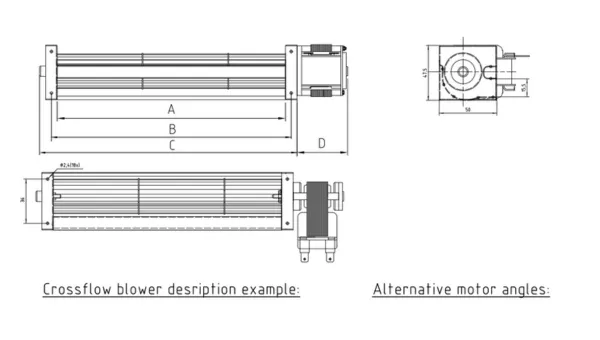
Begin a feasibility review from one representative component.
Target sampling window after specifications and tooling scope are confirmed.
Project files are handled as confidential engineering information.
Choose the source information that best represents your project
The three routes use different evidence, but all should end with a documented project scope and approval method.
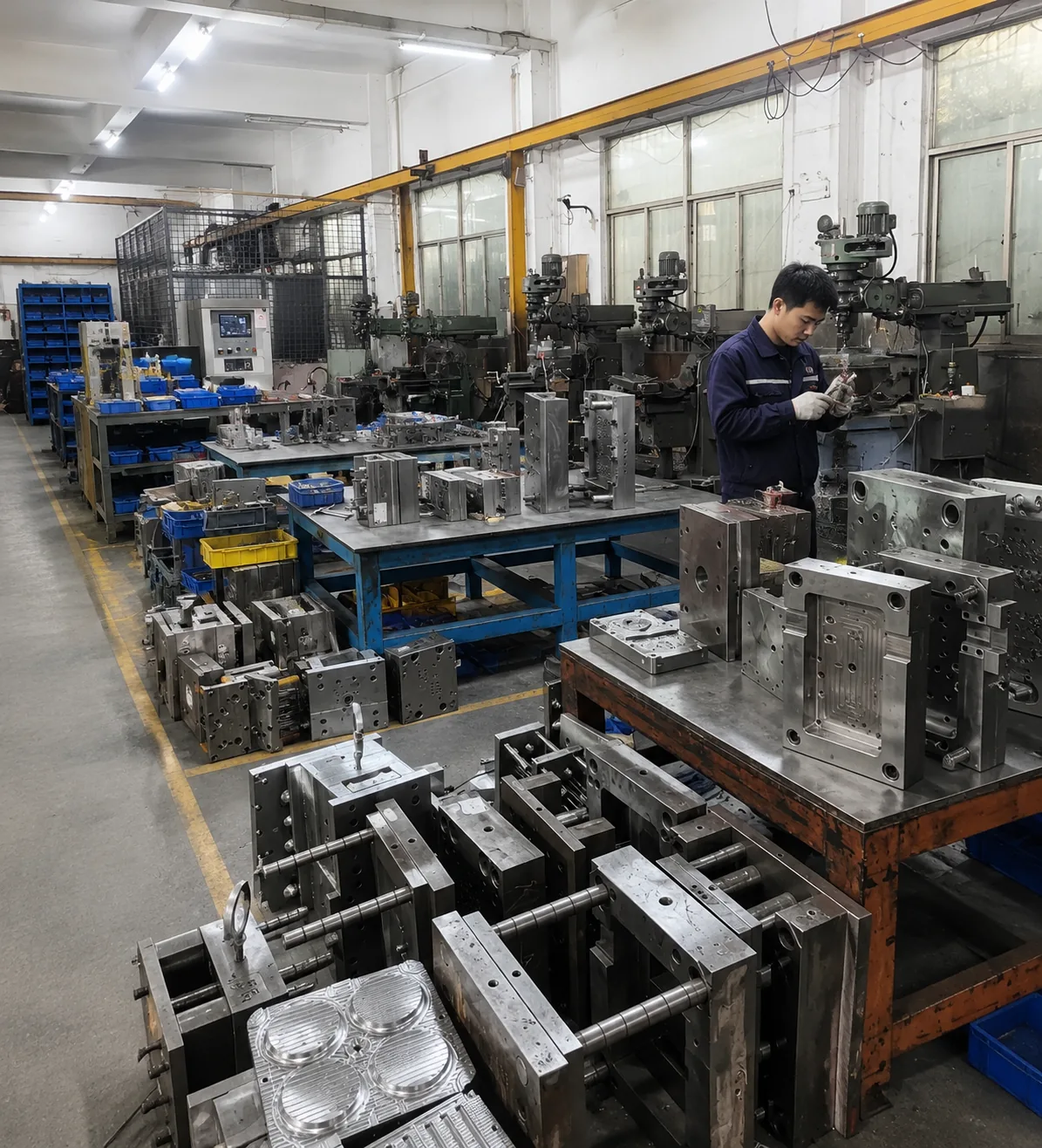
Latest drawing or specification
Provide revision, dimensions, interfaces, rotation, material or environment requirements, quantity and requested documents.
Request a QuoteEquipment and operating information
Describe the equipment, air path, available envelope, duty or speed context, mounting, environment and validation target.
Organize application inputsExisting component or sample photos
Document overall and detail views, measurements, wear, both interfaces, rotation, markings and equipment context.
Use the sample protocolGive each project input a purpose and a confirmation owner
Do not guess missing technical values. A useful RFQ shows what is known, what was observed and what needs a defined review or measurement.
| Information | Why it is needed | Drawing route | Sample route |
|---|---|---|---|
| Equipment and application | Defines the system and installation context. | Name the assembly and wheel function. | Provide installed-part and equipment photos. |
| Geometry and critical interfaces | Controls fit, orientation and manufacturability. | Latest drawing with critical dimensions. | Photo set plus measurement method. |
| Rotation and viewing side | Removes clockwise/counter-clockwise ambiguity. | Mark viewing side and rotation on the drawing. | Mark both on a front or shaft-side photo. |
| Operating and environmental context | Identifies system and material review questions. | Add available duty, speed and exposure data. | Describe operating problem and equipment environment. |
| Quality and documentation | Defines inspection, record and market requirements. | Add tolerances, standards and requested records. | State known acceptance and target-market needs. |
| Quantity and project timing | Frames tooling, sampling and production planning. | Provide estimate and target milestone. | Provide replacement quantity and urgency context. |
Move forward only when the next decision has enough information
The route is intentionally gated. It keeps assumptions from becoming production requirements and gives both teams a visible place to approve changes.
Receive and classify the enquiry
Confirm product route, equipment context, source information, quantity and requested commercial output.
Identify missing and conflicting inputs
Check drawing revision, geometry, interfaces, rotation, environment, duty and quality requirements.
Review manufacturability and project scope
Clarify tooling, process route, sample need, inspection scope, documents and commercial assumptions.
Define quotation and approval deliverables
Record what is included, excluded, still open and required before the next release point.
Complete sample or drawing approval
Use the agreed reference and validation method when a sample, drawing or measurement approval is required.
Release the approved version to production
Align production, inspection, identification, packaging and change control with the confirmed requirements.
What the first technical review should confirm
The review organizes component and project information. It does not replace the buyer’s responsibility for complete equipment requirements or promise system performance without agreed validation.
Dimensions and interfaces
Overall envelope, active geometry, hub or shaft details, mounting, clearances and critical tolerances.
Rotation and viewing side
Clockwise/counter-clockwise description linked to a marked drawing or photograph.
Equipment and operating boundary
Air path, duty or speed information, environment, service access and the problem being solved.
Quality and validation
Drawing, sample, inspection, record, packaging and requested market-document requirements.
An existing sample is evidence, not a complete specification
Wear, deformation, previous repair, material, hidden tolerances and historical equipment changes may not be visible. Record known, observed and inferred information separately, then agree how the replacement specification will be approved.
Open the replacement sample protocolReduce sample-matching risk before shipping the part
- Take a complete photo setOverall front, back and side views plus hub or both shaft ends, blade details and part markings.
- Mark wear or damageDo not treat a bent, worn or repaired area as the intended production geometry.
- State the equipment problemExplain whether the objective is fit replacement, supply continuity, design change or performance investigation.
- Confirm confidentiality and sample handlingAgree NDA, ownership, storage, return and disposal requirements before sensitive material is exchanged.
Custom development questions
Can I start a custom blower wheel project with a drawing?
Yes. Provide the latest drawing revision, critical dimensions, interfaces, rotation, material or environment requirements, operating context, quantity and requested documents. The drawing is a starting point; manufacturability and approval conditions must still be reviewed.
Can I start without a drawing?
You can start with a sample, clear photos, measurements, equipment information and available part markings. Because wear and hidden specifications may not be visible, final feasibility and specifications must be confirmed through review and, where applicable, sampling.
What happens before mass production?
The strategy requires requirement clarification, manufacturability review, commercial scope confirmation, sample or approval steps where applicable, and a documented pre-production confirmation. Exact steps and timing depend on the project.
Can you sign an NDA?
Confidentiality requirements can be discussed before sensitive files are shared. NDA wording and the responsible legal entity must be confirmed by TSLBlower before any website statement is treated as a contractual commitment.
How long does custom development take?
Timing depends on input completeness, tooling, material, review iterations, sampling, quantity and required tests or documents. A project schedule should be confirmed after review rather than assumed from a universal lead time.
Ready to start a custom blower wheel project?
Begin with a drawing, operating data or sample photos. Unknown specifications can be marked for review.