
Focused on blower wheel manufacturing.
Custom Blower Wheels Manufacturer for OEM Equipment
TSLBlower develops forward curved, backward curved, cross-flow and oven fan wheels from customer drawings, operating requirements or physical samples.
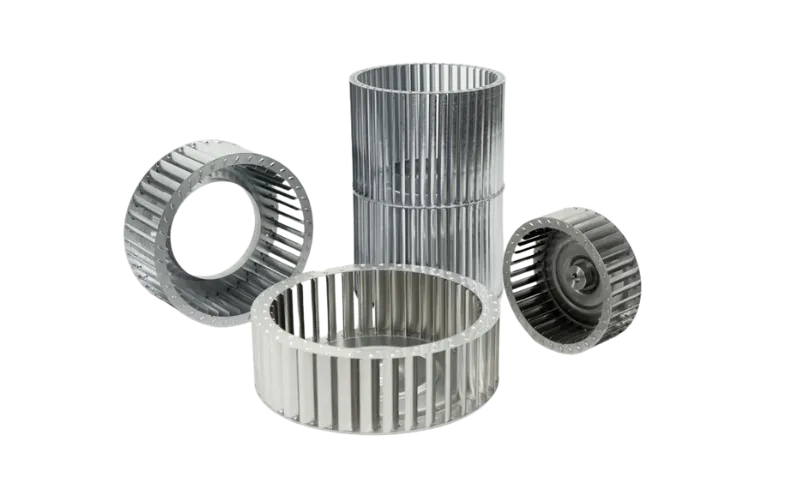
Supporting OEM air-moving projects.
For multiple wheel and volume routes.
Tooling, production and inspection.
Four blower wheel families for custom OEM projects
Begin with the closest geometry family, then confirm diameter, width or length, inlet arrangement, hub or shaft interface, rotation and equipment context.
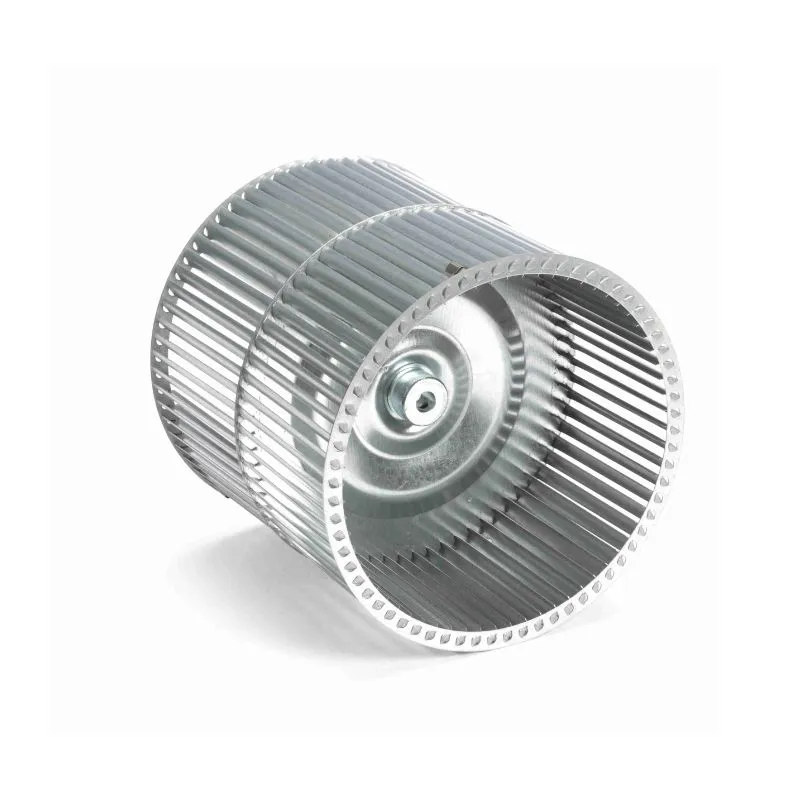
01 / Forward curved
Forward Curved Blower Wheels
Single- and double-inlet routes with project-specific diameter, width, hub, bore and rotation.
View Forward Curved Wheels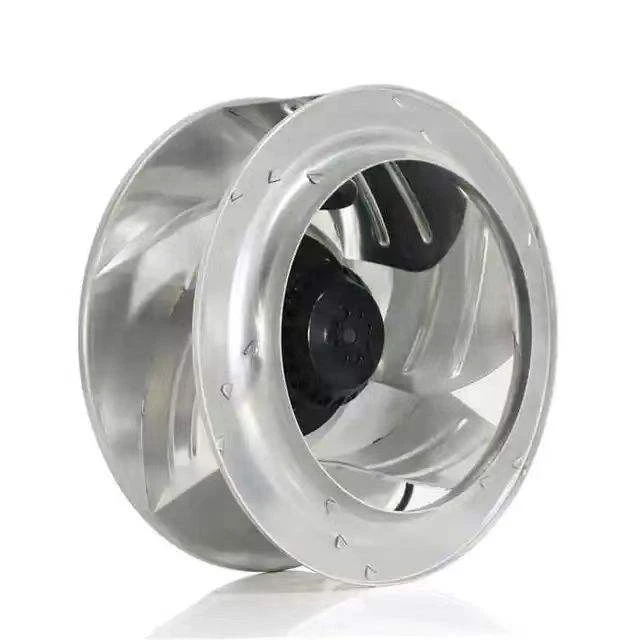
02 / Backward curved
Backward Curved Blower Wheels
Wheel geometry reviewed together with duty, speed, housing, mounting and environmental inputs.
View Backward Curved Wheels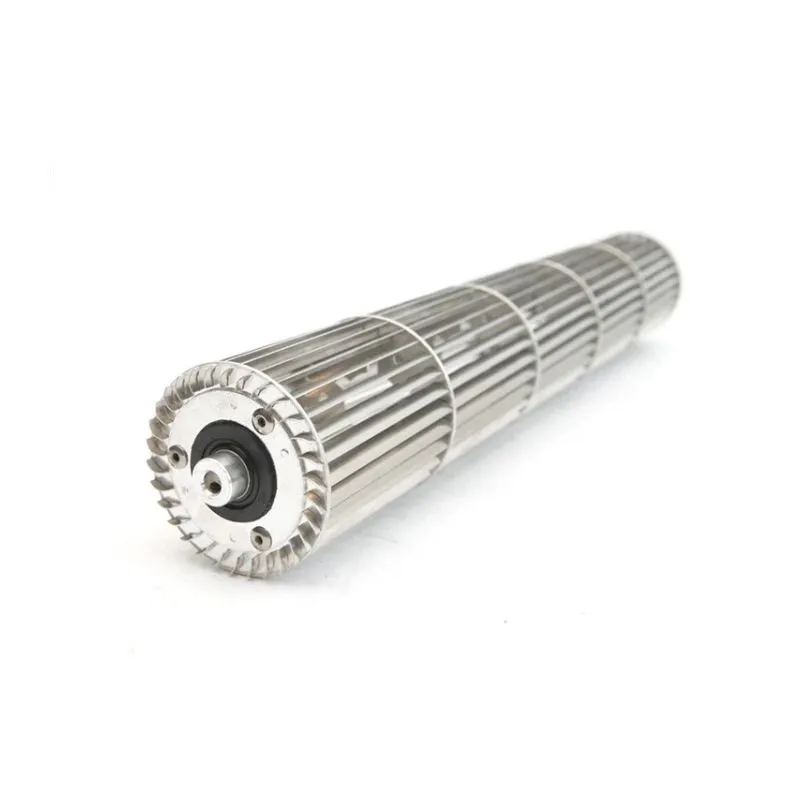
03 / Cross-flow
Cross-Flow Blower Wheels
Length, diameter, section layout, both shaft ends and installation envelope defined for the assembly.
View Cross-Flow Wheels
04 / Oven impeller
Oven Fan Impellers
Center interface, offset, rotation and verified operating environment reviewed for baking equipment.
View Oven Fan ImpellersA blower wheel specialist built around custom OEM requirements
Since 2016, TSLBlower has developed and produced air-moving components for HVAC, refrigeration, commercial ovens and industrial equipment.
Bring a drawing, dimensional requirement, operating context or existing part. Our first task is to separate confirmed inputs from open questions, then define the appropriate tooling, sample, production and inspection route.
From an approved input to a controlled production route
Custom work is organized around the evidence available at the start of the project.
- 01
Drawing or specification
Review geometry, material, interfaces, rotation and critical requirements.
- 02
Equipment and operating context
Connect the component to its air path, duty, speed, environment and installation.
- 03
Existing sample or photos
Document dimensions, wear, part markings and the original equipment context.
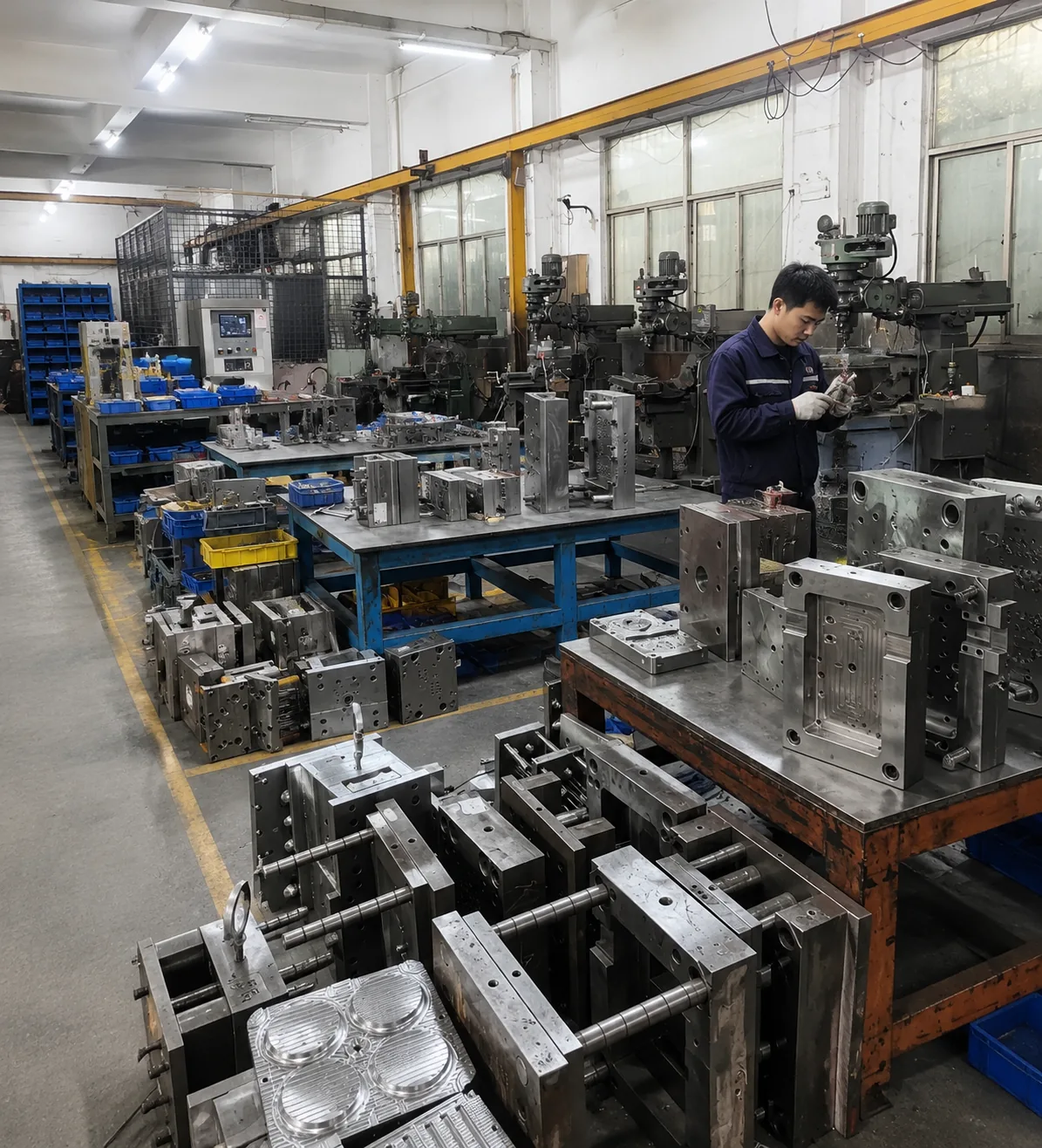
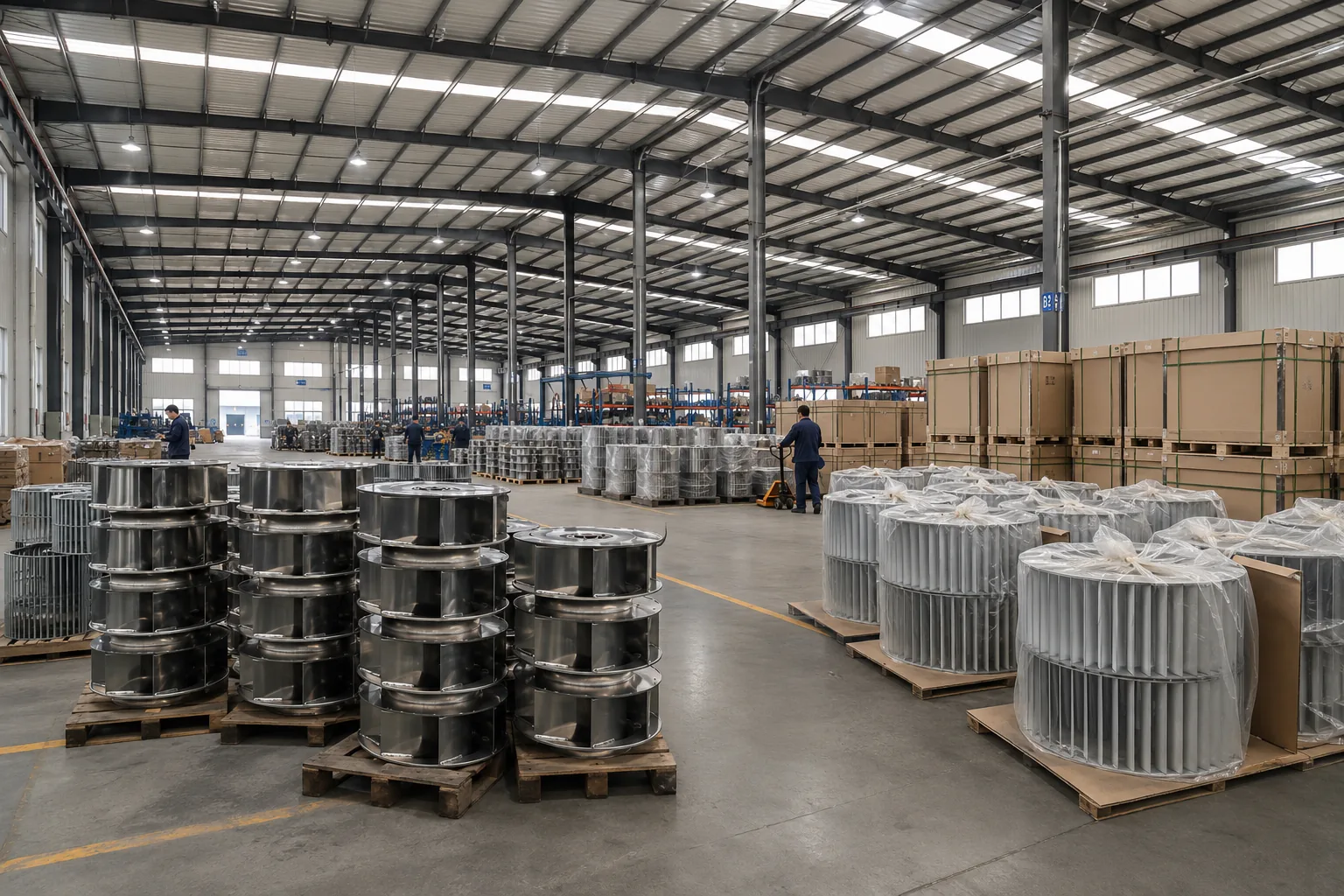
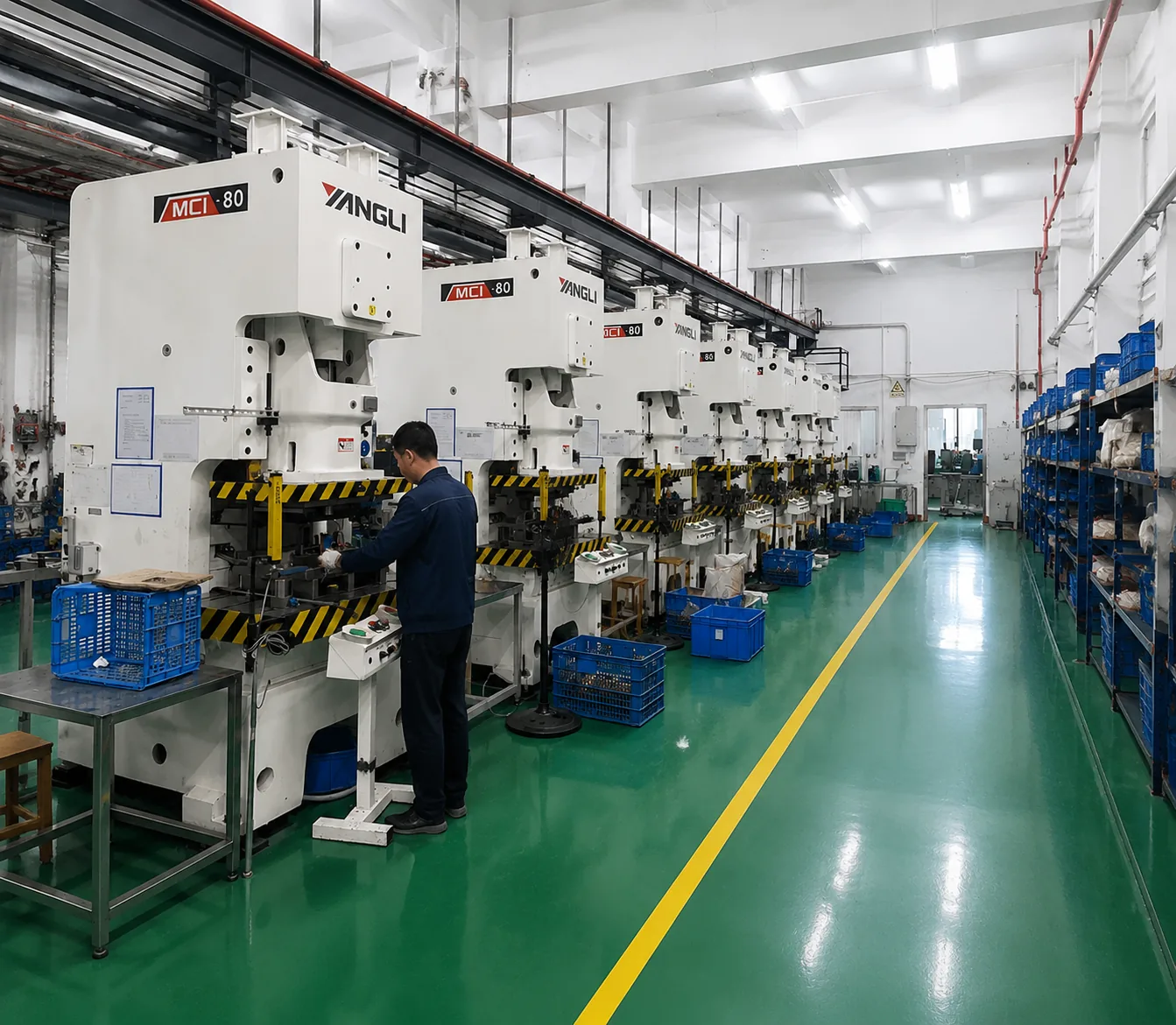
Manufacturing and inspection you can evaluate visually
Production and quality evidence is most useful when it is linked to the approved drawing, project requirement and applicable inspection record.
In-house product development
Multiple manufacturing routes
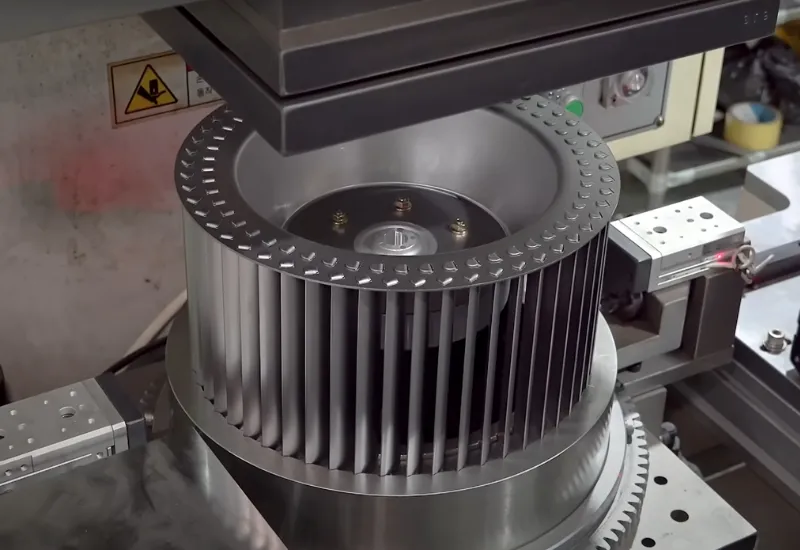
Project-matched quality checks
Selected brands from our project history
A selection of brands represented in TSLBlower’s legacy customer and project portfolio.




Brand names and logos are trademarks of their respective owners and are shown as legacy project references.
Starting a custom blower wheel project
The approved drawing, quotation and project records define the final manufacturing scope.
Can TSLBlower manufacture a blower wheel from my drawing?
Yes. A drawing can start the project review when it shows the key geometry, dimensions, interfaces, rotation and revision. TSLBlower then confirms manufacturability, tooling, material, tolerance, sample approval and inspection requirements before production.
Can you review an existing blower wheel without a drawing?
Yes. Begin with clear overall and detail photos, key measurements, shaft or hub information, rotation, equipment context and any part markings. A physical sample may be required to confirm hidden geometry, material, tolerances and final replication feasibility.
Which blower wheel type should I choose?
The correct family depends on the equipment, air path, duty point, available space, speed, mounting interface and environment. Start with the nearest geometry family, then provide the system inputs for a project-specific review rather than choosing from appearance alone.
What information is needed for a quotation?
Provide your company and contact details, equipment application, drawing or sample information, critical dimensions, operating requirements, expected quantity, target market and requested documents. Missing fields can be marked unknown so the review can identify the next useful input.
Ready to discuss a custom blower wheel project?
Send a drawing, sample photos or operating requirements. We will identify the next technical and quotation step.