
Project context from compact HVAC units to large ventilation equipment.
Custom Blower Wheel Support for HVAC & Ventilation Equipment
TSLBlower reviews custom HVAC blower wheel projects from the air path, housing, available space, interfaces, speed context and duty requirements. Final airflow and noise depend on the complete equipment system.
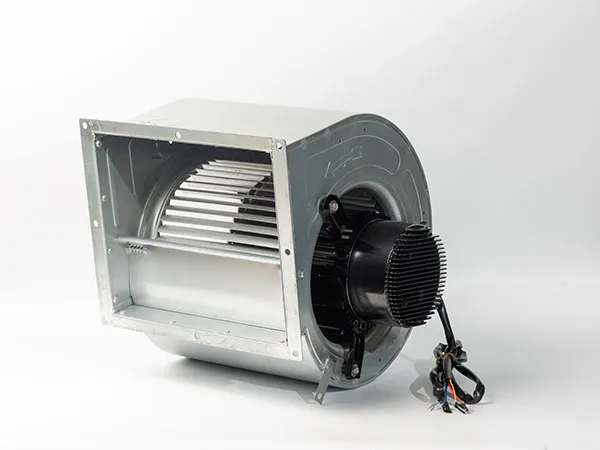
A broad duty range for selecting an appropriate wheel review route.
Support for equipment intended to operate around the clock.
Forward curved, backward curved and project-specific alternatives.
HVAC blower system contextHousing, inlet, outlet, motor, speed and duty information determine the next review question.
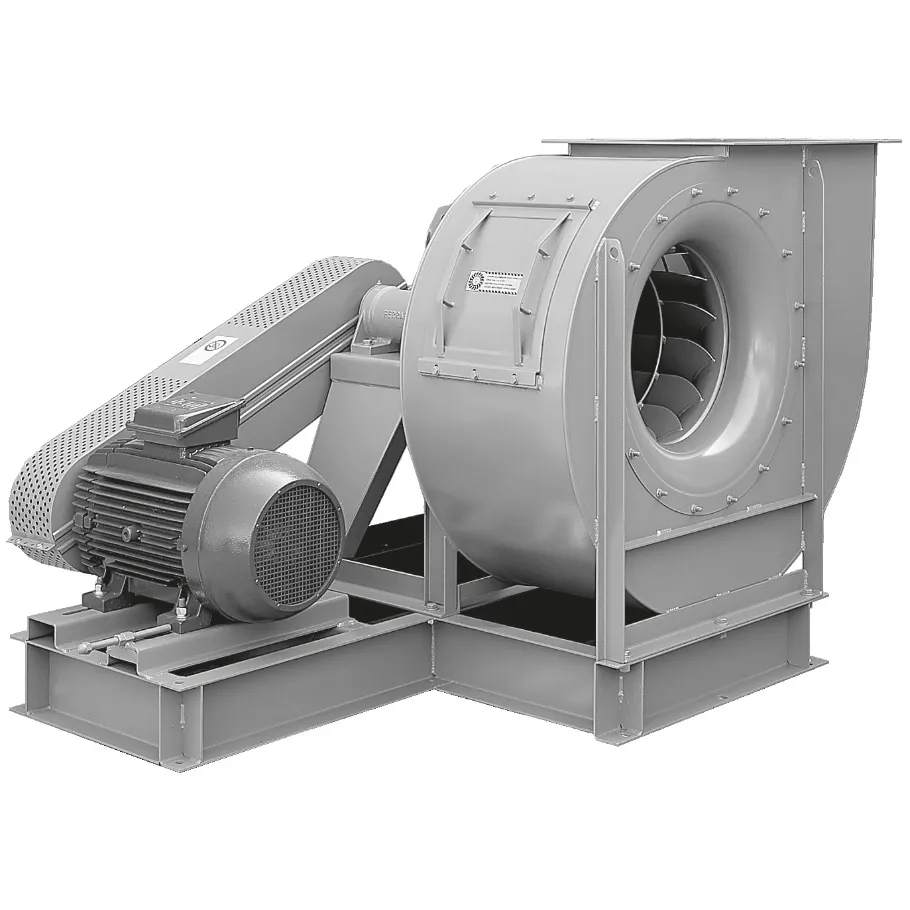
Start with the HVAC system context
A wheel drawing is useful, but the housing, inlet and outlet, available envelope, drive context and maintenance access are also needed to frame a practical review.
| Engineering input | Why it is reviewed |
|---|---|
| Equipment function and air path | Shows how the wheel relates to the housing, inlet, outlet and surrounding components. |
| Target duty and speed context | Provides the system information needed for project discussion; it is not a wheel-only performance promise. |
| Available space and service access | Identifies clearance, installation and maintenance constraints. |
| Hub, shaft, mounting and rotation | Defines the mechanical interfaces that must be confirmed before approval. |
| Environment, noise target and documents | Records project requirements that need an agreed validation route. |
Forward or backward curved is a review question
The correct route cannot be selected from the HVAC label alone. Geometry, space, speed, duty, housing and interfaces must be considered together.
Forward curved route
Review the wheel geometry, inlet arrangement, hub interface and system context before deciding if it is relevant to the project.
Explore forward curved wheels →Backward curved route
Review geometry, mounting, rotation and duty information rather than relying on generic efficiency language.
Explore backward curved wheels →Engineering review
Where inputs are incomplete, document what is known and agree the next measurement or validation step.
Start a custom review →Do not treat a similar wheel as a confirmed system match
Confirm the viewing side and rotation
State the viewing side used for clockwise or counter-clockwise rotation, then confirm the hub, shaft, mounting and clearance details.
Keep performance claims in context
Airflow, pressure, noise and efficiency are influenced by the wheel, housing, inlet, motor, speed, clearances and test condition.
Use an approved revision
Record the latest drawing, sample status and critical dimensions so the manufacturing review has a stable reference.
Connect requirements to a controlled review
Manufacturing and inspection should follow the approved project inputs. The available process, records and checks are confirmed for the actual project.
Review quality and inspection →- 01
Share known project data
Provide the drawing, sample, equipment details and the requirements already defined by your team.
- 02
Clarify interfaces and unknowns
Review rotation, mounting, clearances, version control and any missing system information.
- 03
Agree approval and inspection needs
Define applicable dimensions, documentation and validation expectations before production approval.
Ask for evidence that matches the project scope.
Useful supplier review material connects approved requirements to actual manufacturing, inspection records and project-specific documentation. It should not substitute for your equipment-level validation.
Review capabilitiesPrepare an HVAC blower wheel review request
Include the equipment function, air path, drawing or sample, interfaces, rotation, speed context, environment, quantity and the result your team needs to validate.
| Send if available | Mark if unknown |
|---|---|
| Latest drawing, photos or sample information | System values that still require measurement or confirmation |
| Hub, shaft, mounting, rotation and clearance information | Required inspection, document or acceptance details |
| Equipment context and target application | Validation method and responsible project contact |
HVAC blower wheel project questions
What information is needed for an HVAC blower wheel project?
Provide the equipment function, air path and housing information, target flow and pressure, speed or motor context, available space, wheel drawing or sample, shaft and mounting interfaces, rotation, environment, noise target and quantity.
Which blower wheel type is best for HVAC?
There is no universal answer based on the industry name alone. Forward or backward curved routes must be considered with the system curve, speed, space, housing, inlet, noise target, interfaces and validation plan.
Can a custom wheel guarantee lower HVAC noise?
Noise is a system outcome affected by the wheel, housing, inlet, motor, speed, clearances, structure and test condition. Define a baseline and agreed validation method before making a performance claim.
Can an existing HVAC wheel be reviewed from a sample?
Yes, a sample can start the review. Include equipment information, photos, dimensions, shaft and mounting details, rotation and the problem being solved. Final fit and performance require confirmation.
Ready to review your equipment application?
Send the equipment context, air path, operating target and available wheel details for a project-specific review.