
Legacy cross-flow coverage for compact cooling assemblies.
Custom Blower Wheel Support for Refrigeration & Cooling Equipment
TSLBlower reviews cooling equipment projects from the air-channel layout, available envelope, shaft-end details, operating environment and mounting requirements. Material and performance conclusions require project-specific confirmation.
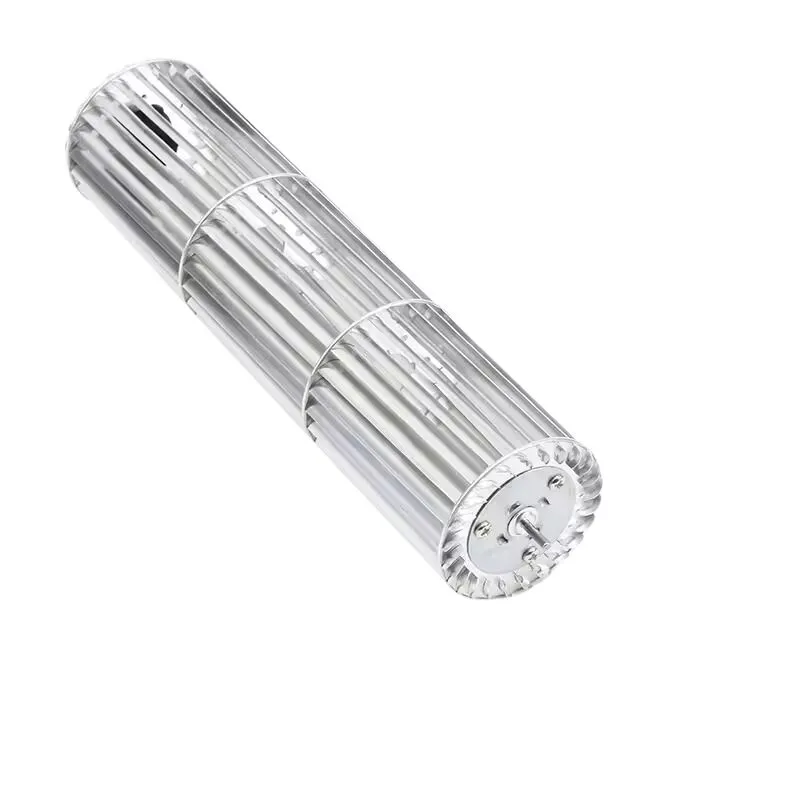
Length options for matching equipment width and air channel.
Project review across low-temperature and warm equipment zones.
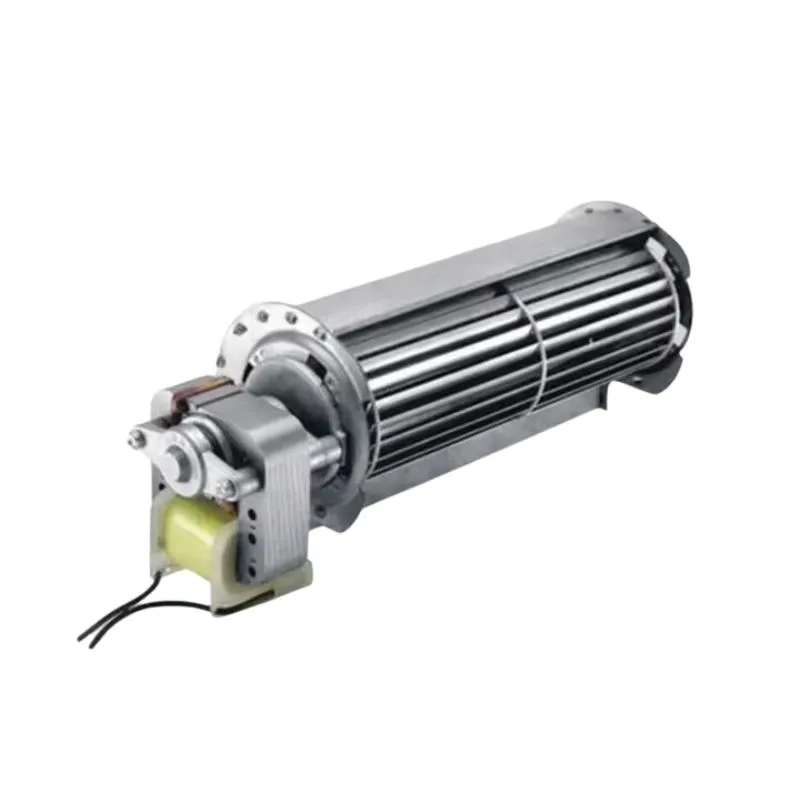
Drive and support interfaces are documented independently.
Cross-flow wheel options for compact air channelsBoth shaft ends, supports, condensation exposure and clearances need equipment-specific review.
Map the air channel and available envelope
The equipment name alone does not identify a suitable wheel. Air-channel, housing, space, interfaces and operating conditions provide the starting point for a review.
| Project input | Why it matters |
|---|---|
| Air channel, inlet, outlet and housing | Explains the installation context and the space around the wheel. |
| Available envelope and service access | Identifies clearance, motor-side and maintenance constraints. |
| Both shaft ends, mounting and rotation | Reduces the risk of a visually similar wheel failing to fit. |
| Temperature, humidity, condensation and cleaning context | Records the environment for project-specific material and document review. |
| Speed context, quantity and validation needs | Frames the project requirements without making a generic performance claim. |
Compare routes after the cooling context is clear
Cross-flow and forward-curved configurations may be considered where their geometry and interfaces match the equipment. Neither route is selected from the industry label alone.
Cross-flow wheel route
Review overall and active length, diameter, section layout, both shaft ends and the air channel as one assembly.
Explore cross-flow wheels →Forward-curved wheel route
Review inlet form, wheel width, hub interface, rotation and the surrounding housing before a route is confirmed.
Explore forward-curved wheels →Custom project route
Document what is known, mark what is unknown and use the review to establish the next measurement or approval step.
Start a custom review →Both shaft ends can be critical to fit
Capture both shaft ends
Drive and support ends may use different lengths or interfaces. Provide clear photos and measurements from both sides.
State the viewing side
Use a marked photo and the viewing side for clockwise or counter-clockwise rotation so the requirement is unambiguous.
Include the surrounding envelope
Housing clearance, mounting and service access must be assessed with the wheel dimensions, not after a drawing is approved.
Cooling conditions are project inputs, not generic claims
Temperature, humidity, condensation, cleaning and corrosion concerns need clear descriptions. Capability and documentation are confirmed only when supported by the actual project evidence.
Review quality requirements →- 01
Describe the actual exposure
Share the operating environment, media, cleaning context and any target-market documentation requirements.
- 02
Confirm interfaces and project data
Review the drawing or sample, shaft ends, mounting, rotation, speed context and available envelope.
- 03
Agree the verification route
Define what dimensions, records, packaging or project-specific checks need approval before production.
Connect cooling inputs to manufacturing evidence.
A supplier review should show how approved drawings and requirements are carried into the actual manufacturing and inspection scope for the project.
Review capabilitiesPrepare a cooling equipment review request
Send the equipment and air-channel layout, wheel drawing or sample, environment, shaft-end details, rotation, interfaces, quantity and any known validation or document needs.
| Include if available | Flag for follow-up |
|---|---|
| Air-channel layout, equipment photos and available envelope | Unknown temperatures, humidity, condensation or cleaning conditions |
| Wheel drawing, both shaft ends, mounting and rotation | Materials, documentation and acceptance requirements still to be agreed |
| Speed context and quantity | Project validation method and responsible contact |
Cooling equipment blower wheel questions
What should I provide for a refrigeration blower wheel review?
Provide the equipment and air-channel layout, available space, existing wheel drawing or sample, shaft or hub interfaces, rotation, speed context, operating temperature and humidity, condensation or cleaning concerns, quantity and target-market documents.
Is a cross-flow wheel always used in cooling equipment?
No. The application name alone does not determine the wheel type. Air path, available envelope, required duty, speed, housing and mechanical interfaces must be reviewed before choosing a route.
Can TSLBlower guarantee corrosion resistance?
No generic claim should be made without the specified material, finish, environment and validation evidence. Describe the actual exposure and documentation requirement so the project can be reviewed.
Why are both shaft ends important for a cross-flow sample?
The drive and support ends may have different geometry, lengths or interfaces. Clear photos and measurements of both ends reduce the risk of an otherwise similar wheel failing to fit the equipment.
Ready to review your equipment application?
Send the equipment context, air path, operating target and available wheel details for a project-specific review.