
Finished products pass final inspection before shipment.
Blower Wheel Quality & Inspection for Confirmed Project Requirements
Quality control should be a visible requirement-to-record workflow. Dimensions, interfaces, workmanship, balance, packaging and documents must be planned around the approved project requirements, then represented only within the evidence that supports them.
Request a Quote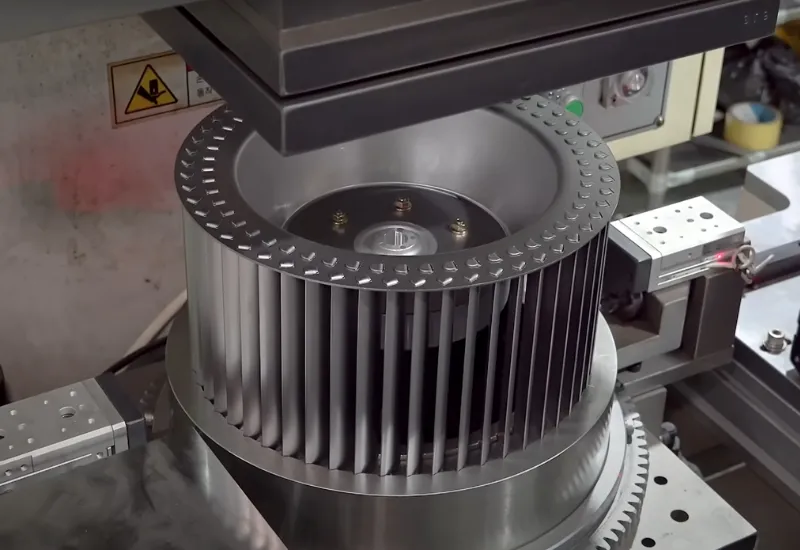
Incoming, in-process, final and packing-release controls.
Project-specific control for approved interfaces and datums.
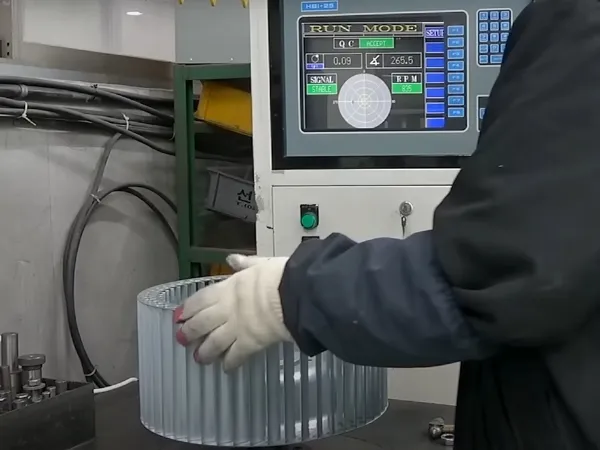
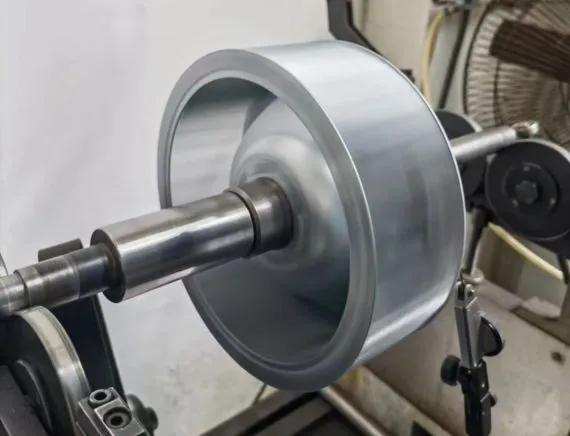
Available when the project standard, speed and method are defined.
Inspection and verification evidenceThe applicable method, acceptance rule, frequency and record must be defined for the project.


Start with an agreed inspection scope
The drawing, specification, purchase order, approved sample and applicable market requirements should identify which characteristics matter. The table is a planning framework, not a statement that any method, frequency, equipment or report is already available.
| Planning field | Project question | Evidence needed before a capability claim |
|---|---|---|
| Characteristic and source | Which drawing note, specification or approval defines the requirement? | Current, authorized project source and revision. |
| Method and equipment | How is the requirement expected to be checked? | Verified method, equipment status and responsible role. |
| Frequency and acceptance | When is the check needed and what result is acceptable? | Approved project plan; do not infer a universal sampling rule. |
| Record and release | Which record is required and who may authorize release? | De-identified record example and confirmed release responsibility. |
Confirm what is received before it becomes an assumption
Material or component verification should be described only after the actual receiving process, documentation checks and issue-hold approach have been confirmed. A material name alone does not establish identity, condition or compliance.
See how approved inputs move into the route- 01
Identify the approved requirement
Match the available source, drawing revision or project instruction before defining a check.
- 02
Define the applicable condition
Quantity, visible condition, supporting documents and project-specific concerns may need separate review.
- 03
Hold open questions for review
Unknown material, document or condition details should not become a website claim or production assumption.
Check the agreed interfaces at the right decision point
Dimensions, orientation, workmanship and connection requirements should be tied to the approved drawing and manufacturing route. The actual check points, tools, frequency and records remain project-specific until TSLBlower verifies them.
Protect fit-sensitive interfaces
Identify the dimensions and mounting relationships that affect the OEM assembly, and define their acceptance source.
Define workmanship criteria
Agree the project-specific visual or construction requirements instead of relying on generic quality wording.
Connect evidence to release
Use a confirmed record and escalation path when the project requires documented checks or approvals.
Define balance requirements before claiming a balance capability
Balance requirements need an applicable standard or customer requirement, a stated grade, operating condition, method, acceptance value, sampling plan and record expectation. No balance grade, equipment, calibration status or report availability should be claimed until TSLBlower has verified the supporting evidence for that scope.
| Ask before review | Why the field matters |
|---|---|
| Requirement source and acceptance level | Prevents a reference standard from being mistaken for a company certification or automatic result. |
| Speed and project operating condition | Connects the requested verification to the condition under discussion. |
| Method, sampling and record request | Defines what the buyer expects without assuming a universal procedure. |
| Correction and release responsibility | Clarifies who reviews an exception and what approval is needed before release. |
Review the configuration, labels and packaging that were agreed
A final review can include product identity, critical interfaces, orientation, accessories, labels, packaging and documents when they are included in the project scope. The presence and depth of each check must be confirmed before it is represented as a release control.
Share a project-specific approval requirement- ORDER
Match the agreed configuration
Use the approved source to review the part identity and the requirements relevant to the order.
- ORIENT
Clarify interface and direction details
Where orientation, mounting or markings matter, define the viewing reference and acceptance point for the project.
- PROTECT
Plan packaging and documents
Transport protection, labels and documents should be agreed to the component and delivery requirement rather than assumed.
Make the response to an exception reviewable
A trustworthy quality process identifies the item, records the concern, defines who reviews disposition and confirms when customer approval or release authority is required. The exact nonconformance process must be confirmed by the quality team before publication.
Read project and quality FAQsGive the review team a complete inspection brief
| Include in your RFQ | What it lets the team clarify |
|---|---|
| Approved drawing, specification, purchase order or sample plan | The source and revision for critical requirements. |
| Critical dimensions, interfaces and workmanship criteria | Which characteristics affect fit and what acceptance looks like. |
| Balance, functional or documentation requirements | The applicable requirement, condition, method and record expectations for project review. |
| Packaging, labels, traceability and target-market needs | The delivery preparation and documents that need agreement before release. |
| Third-party or customer inspection requests | Scope, timing, cost and release responsibility that require project confirmation. |
Quality and inspection questions
What does blower wheel quality inspection include?
The scope should be defined by the approved drawing and project requirements. It may cover material or component verification, dimensions, interfaces, workmanship, balance, configuration, labels, packaging and documents, but TSLBlower must confirm the actual method and frequency.
Can you provide a balancing report?
Report availability, method, equipment, acceptance value and sampling must be confirmed for the project. No balancing grade or report promise should be published until TSLBlower supplies verified equipment and record evidence.
Can buyers define critical inspection points?
Yes, buyers should identify critical dimensions, interfaces, balance or functional requirements, documentation and sampling expectations. TSLBlower then reviews feasibility and agrees the inspection scope before production approval.
Can third-party inspection be arranged?
Third-party inspection should be stated only after TSLBlower confirms the coordination process, scope, cost, timing and release responsibility. It can then be agreed per project before shipment.
What happens when a nonconformance is found?
The published process should describe how the item is identified and held, how the issue is recorded and reviewed, who approves disposition, when customer approval is required and how release is documented. Actual steps remain pending quality-team verification.
Need manufacturing and quality evidence for your project?
Share the drawing, inspection requirements and supplier-qualification questions your team needs to verify.