
Integrated production, assembly, inspection and warehousing space.
Blower Wheel Manufacturing Process for Approved OEM Requirements
A manufacturing route should show how an approved drawing and project requirements move toward a controlled output. The actual route depends on the confirmed geometry, material, construction, quantity, quality plan and packaging needs for your project.
Request a Quote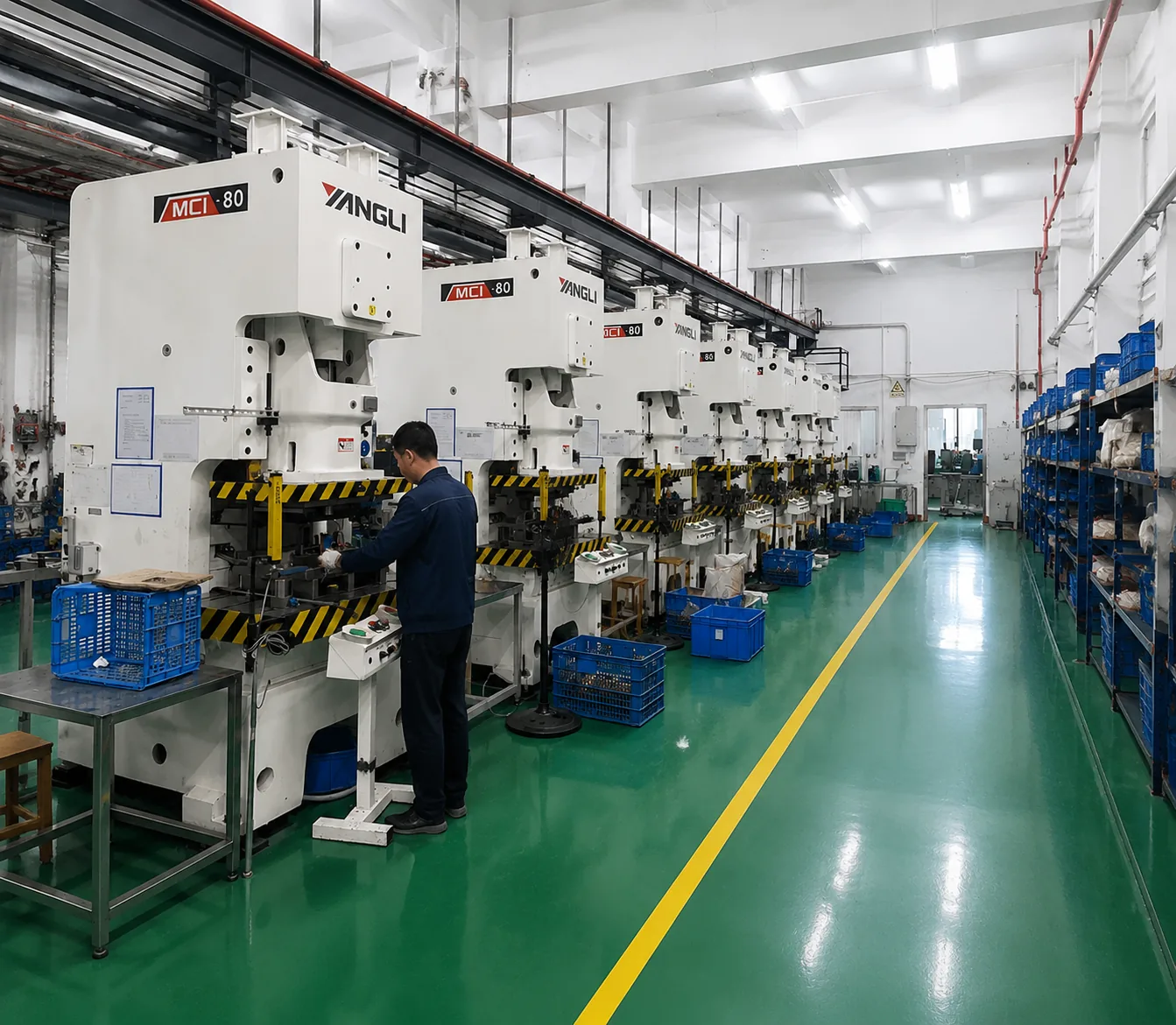
Equipment supporting repeatable custom wheel manufacturing.
From approved inputs and tooling through production, inspection and packing.
Planned capacity for recurring OEM supply programs.
Manufacturing process evidenceThese are current media-library examples; actual routing depends on the approved product and project requirements.
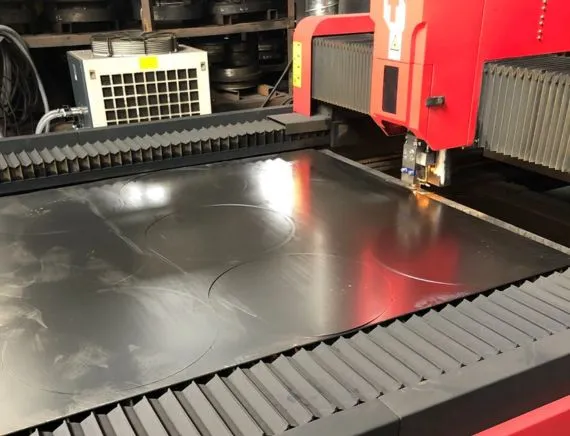
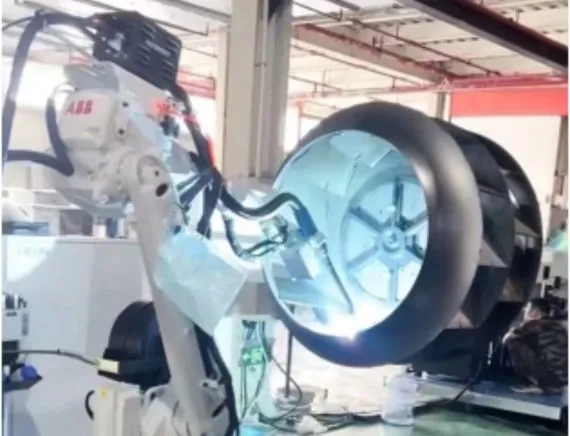
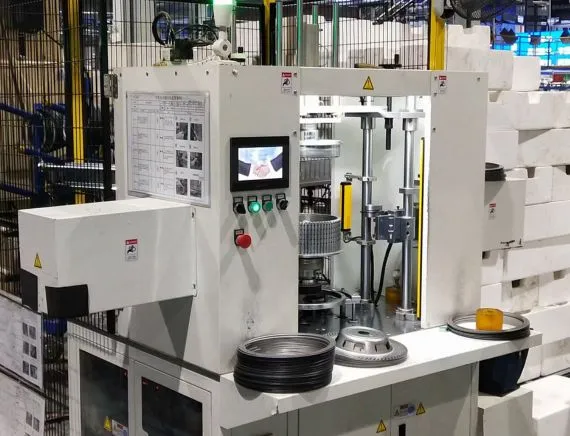
Production starts from a controlled project input
A category name or an earlier sample is not a production release. Before routing is discussed, the current drawing, interfaces, material requirements, approved changes and acceptance expectations need to be identified.
Review the custom development path- INPUT
Confirm the source of truth
Share the latest drawing revision, sample status, known critical dimensions, mounting interfaces and the required documentation.
- REVIEW
Separate confirmed items from open questions
Material, construction method, tooling, quantity and inspection needs may remain project-specific until the responsible team reviews them.
- APPROVE
Record changes before release
Any final route should follow an agreed project specification and approval record rather than an assumption based on a similar-looking wheel.
What makes a manufacturing workflow reviewable?
Supplier-review evidence should connect each proposed step to its input, output, quality gate and record. The items below are evidence requests, not claims that a particular process, machine or document is already available.
| Evidence unit | What a buyer needs to verify | Publication boundary |
|---|---|---|
| Approved input package | Drawing revision, change status, material or construction requirement and project acceptance points. | Use only authorized, de-identified examples. |
| Actual route map | The real sequence for the relevant product type, including responsibility and hand-off points. | Publish only steps confirmed by the production owner. |
| In-process evidence | How a project-specific check, hold or escalation point is documented. | Do not infer methods, frequency or equipment from industry practice. |
| Completion evidence | Final configuration, identification, packaging and shipment hand-off requirements. | Show records only within their actual scope and authorization. |
Different wheel projects can require different routes
Forward curved, backward curved, cross-flow and oven projects can differ in geometry, interfaces, material requirements and approval needs. The route must be confirmed for the actual design rather than copied from a generic process diagram.
Define the product route
Identify the product type, drawing state, construction questions and project-specific constraints that affect manufacturability.
Map the control points
Agree where the project needs an approval, check, hold or clarification before the next action is released.
Keep the record connected
Link the final project output back to the approved requirement, applicable inspection scope and packaging expectation.
Manufacturing and inspection answer different questions
Manufacturing explains how agreed work moves through the factory. Inspection explains how requirements are checked, recorded, escalated and released. The exact methods and records must be confirmed for each project.
Review quality and inspection requirements- 01
Use the approved configuration
Geometry, interfaces, material and construction requirements need a controlled source before work is released.
- 02
Check the agreed project points
Critical dimensions, workmanship, orientation or other requirements should be defined in the project inspection scope.
- 03
Escalate changes or unknowns
When a requirement is unclear or changes, the next action should wait for the applicable review and approval path.
Completion includes the agreed configuration and delivery preparation
Final preparation is not only a visual check. The project should define what needs to match the order, how orientation or part identification is handled, what protection is needed for transport and which documents accompany the release.
Match the approved part
Confirm the agreed product identity, interfaces and project-specific requirements before the release conversation.
Project-definedPlan protection around the part
Packaging, labels and transport protection should be discussed against the component, route and customer requirements.
Evidence requiredKeep documents in scope
Only records and documents that are agreed and actually available should be represented in a release package.
Confirm before releaseAsk for evidence relevant to your own project
Factory images, equipment lists, process records and examples are useful only when they are current, authorized and relevant to the route under discussion. They do not establish capacity, lead time, certification, test performance or a manufacturing method unless the supporting evidence confirms that scope.
Review the capabilities frameworkPrepare the inputs needed to map a manufacturing route
| Bring to the review | Why it changes the route |
|---|---|
| Latest drawing, sample or source photos | Establishes the geometry, interfaces and revision status available for review. |
| Material, construction and finish requirements | Identifies requirements that need a project-specific feasibility discussion. |
| Critical dimensions, quality plan and documents | Defines the requested checks, acceptance criteria and records without assuming a universal inspection scope. |
| Quantity, packaging and target-market needs | Frames the project scope and delivery-preparation questions; it does not create an automatic lead-time commitment. |
Manufacturing workflow questions
Why does the manufacturing process matter to OEM buyers?
It shows how approved requirements move through preparation, formation, assembly, in-process control, final review and packaging. A useful process page links each step to a responsible role, output and real evidence.
Is every blower wheel made through the same steps?
No. Product geometry, material, tooling, interfaces, quantity and project requirements can change the route. TSLBlower should publish only verified process branches and confirm the actual routing during project review.
How is manufacturing different from quality inspection?
Manufacturing describes how work is performed and moves through the factory. Quality inspection describes how agreed requirements are checked, recorded, escalated and released at defined points.
Does the process page confirm lead time?
No. Lead time depends on input completeness, material, tooling, approvals, quantity, capacity and required tests or documents. A project schedule should be confirmed after review.
Need manufacturing and quality evidence for your project?
Share the drawing, inspection requirements and supplier-qualification questions your team needs to verify.