
One representative component can begin the matching review.
Replacement Blower Wheels from Samples or Existing Parts
A drawing is not always required to begin. Send clear sample photos, key dimensions, part markings, equipment details and the replacement problem. Final feasibility requires engineering confirmation because wear, material and hidden specifications may be unknown.

Overall, interface, blade and installed-context views reduce ambiguity.
A project target for approved interfaces and measurement datums.
Target after the replacement specification is approved.
Replacement review sourcesPhotos can start a review, but worn or deformed samples do not define every hidden requirement.
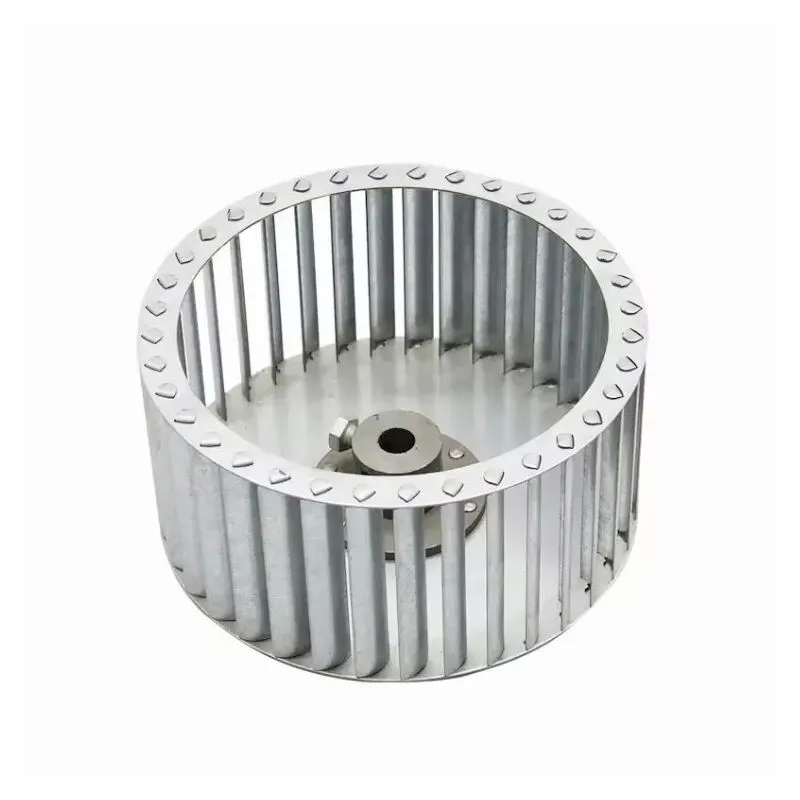
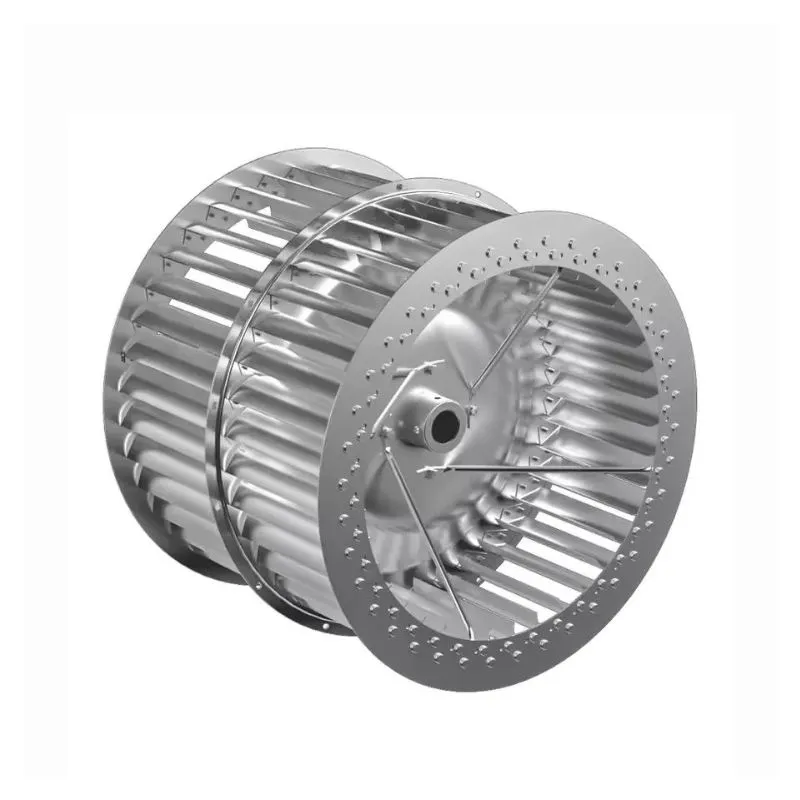
Decide what the existing part can and cannot tell us
A complete, unmodified part with legible markings is usually a stronger reference than a bent, worn or repaired component. Neither automatically reveals original material, tolerance, balance requirement or system history.
See the complete custom review path| Sample condition | Useful for | Needs another source |
|---|---|---|
| Complete / intact | Geometry, interfaces, orientation, markings and assembly observations | Material identity, hidden tolerance, original process and performance target |
| Worn | Equipment relationship, part family and unaffected features | Original bore, edge, clearance and wear-critical dimensions |
| Bent / damaged | Failure context and unaffected reference points | Intended geometry and dimensions in damaged areas |
| Modified / repaired | Current installation and service history | Original revision, approved changes and production specification |
Take the right photographs before shipping a sample
Use sharp, uncropped images with a scale reference. Name the viewing side used for rotation and protect customer-confidential identifiers.
Overall views
Front, back and side images that show the complete wheel and relative proportions.
Hub / shaft ends
Close-ups of bore, key, flat, fastener, hub or both left/right shaft interfaces.
Blades and joints
Blade orientation, plates, segment connections, repairs and visible damage.
Markings and installation
Part number, label, equipment model and the component installed in its housing.
Mark the problem
Tell us why the part is being replaced: unavailable supply, wear, breakage, fit issue or planned redesign. This helps separate reproduction questions from improvement requests that require new engineering approval.
Record the dimensions that prevent interface mismatch
State the tool, datum and sample condition for every critical measurement. Circle measurements taken across worn or deformed areas.
| Product feature | Record | Reference note |
|---|---|---|
| Wheel envelope | Diameter, width/length, overall height and relevant offsets | Identify whether projections or hubs are included. |
| Hub / shaft | Bore, hub, key/flat/fastener or both shaft ends | Photograph the measurement and installed relationship. |
| Mounting | Flange, holes, supports, inlet interfaces and critical clearances | Include the surrounding equipment or housing drawing. |
| Orientation | Rotation, blade direction, front/back, motor side and airflow direction | Use a marked image and explicit viewing side. |
| Condition | Wear, bend, cracks, repairs, missing finish or looseness | Classify the value as observed, not necessarily intended. |
Separate known facts from assumptions
This simple evidence model makes review faster and prevents a visual match from being treated as an approved technical match.
Request a QuoteControlled source
Approved drawing, part record, equipment specification or confirmed requirement.
Measured from sample
Photos and measurements with date, tool, datum and sample-condition notes.
Engineering hypothesis
A possible material, original dimension or function that still needs confirmation.
Approval question
Unresolved tolerance, balance, material, revision, duty or system information.
Move from initial photos to an approved replacement specification
The exact path depends on sample quality, information available, tooling and the validation required by the equipment owner.
Plan the inspection requirementsPhoto and context review
Identify the component family, visible interfaces, condition and missing information.
Data or sample assessment
Measure accessible features and separate observations from intended requirements.
Specification clarification
Resolve geometry, material, interface, quality, approval and confidentiality questions.
Sample or project validation
Agree on the reference, fit or system checks needed before production approval.
Controlled release
Record the approved drawing, sample or validation evidence and applicable packaging.
Replacement blower wheel sample-review protocol
Do not ship a physical sample until handling, ownership, confidentiality, storage and return/disposal expectations have been discussed and confirmed.
| Information | Provide | Identify risk / unknown |
|---|---|---|
| Visual record | Overall, interfaces, blades, markings, installation and scale | Missing views, damage or confidentiality |
| Measurements | Envelope, hub/shaft, mounting, offset, rotation and datums | Wear, deformation or uncertain tolerance |
| Equipment context | Model/application, housing, motor/speed if known and failure description | System modifications or missing history |
| Reference history | Old drawing, part number, other sample, maintenance notes or prior supplier data | Revision conflict or unauthorized information |
| Project scope | Quantity, destination, timing target, approval and document expectations | Fit/performance validation responsibility |
Review the website’s privacy policy before submitting personal or project information. Do not upload files you are not authorized to share.
Replacement blower wheel questions
Can a blower wheel be reproduced without the original drawing?
A physical sample, clear photos and equipment information can start an initial review. Because material, tolerances, wear and hidden specifications may be unknown, final feasibility and the approved replacement specification require engineering confirmation.
What photos should I provide?
Provide overall front, back and side views, close-ups of the hub or both shaft ends, blade details, mounting features, part markings and the installation location. Include a scale reference and mark the viewing side used for rotation.
Should I measure a worn or damaged sample?
Record the measurements but identify worn, bent or damaged areas. Do not treat those values as the intended specification. Equipment interfaces, other samples or historical documents may be needed to establish an approved dimension.
Will the replacement have identical performance?
Identical performance should not be guaranteed from appearance or sample dimensions alone. Housing, motor, speed, clearances, material, balance and system conditions affect the result. Agree on the specification and validation method before approval.
How is sample confidentiality handled?
Confidentiality, sample ownership, storage, return and disposal terms should be discussed before shipment. The website should publish only a process that TSLBlower has formally confirmed and can follow.
Ready to quote your blower wheel requirement?
Share the wheel type, dimensions, interface, quantity and equipment context available to your team.