
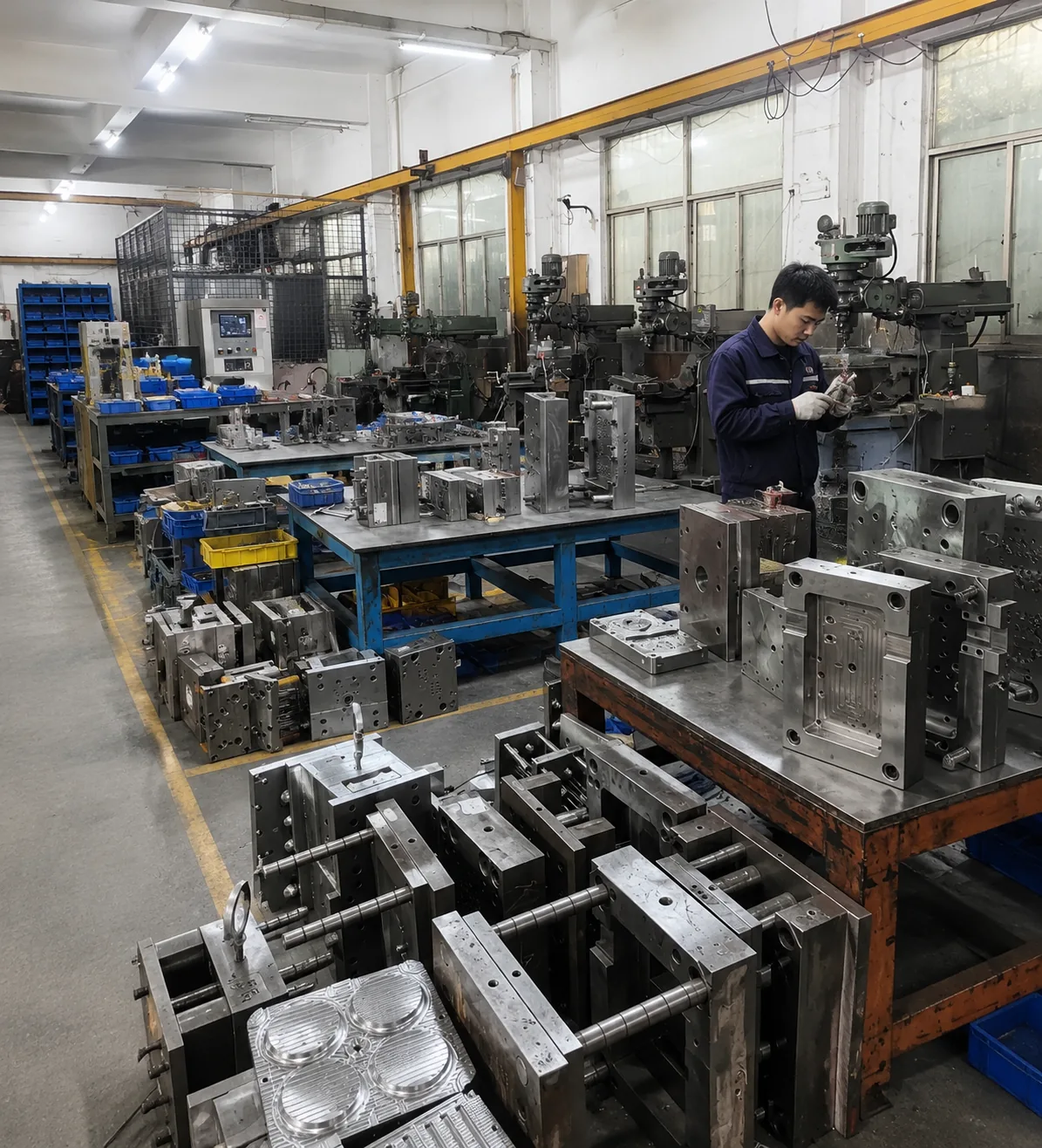
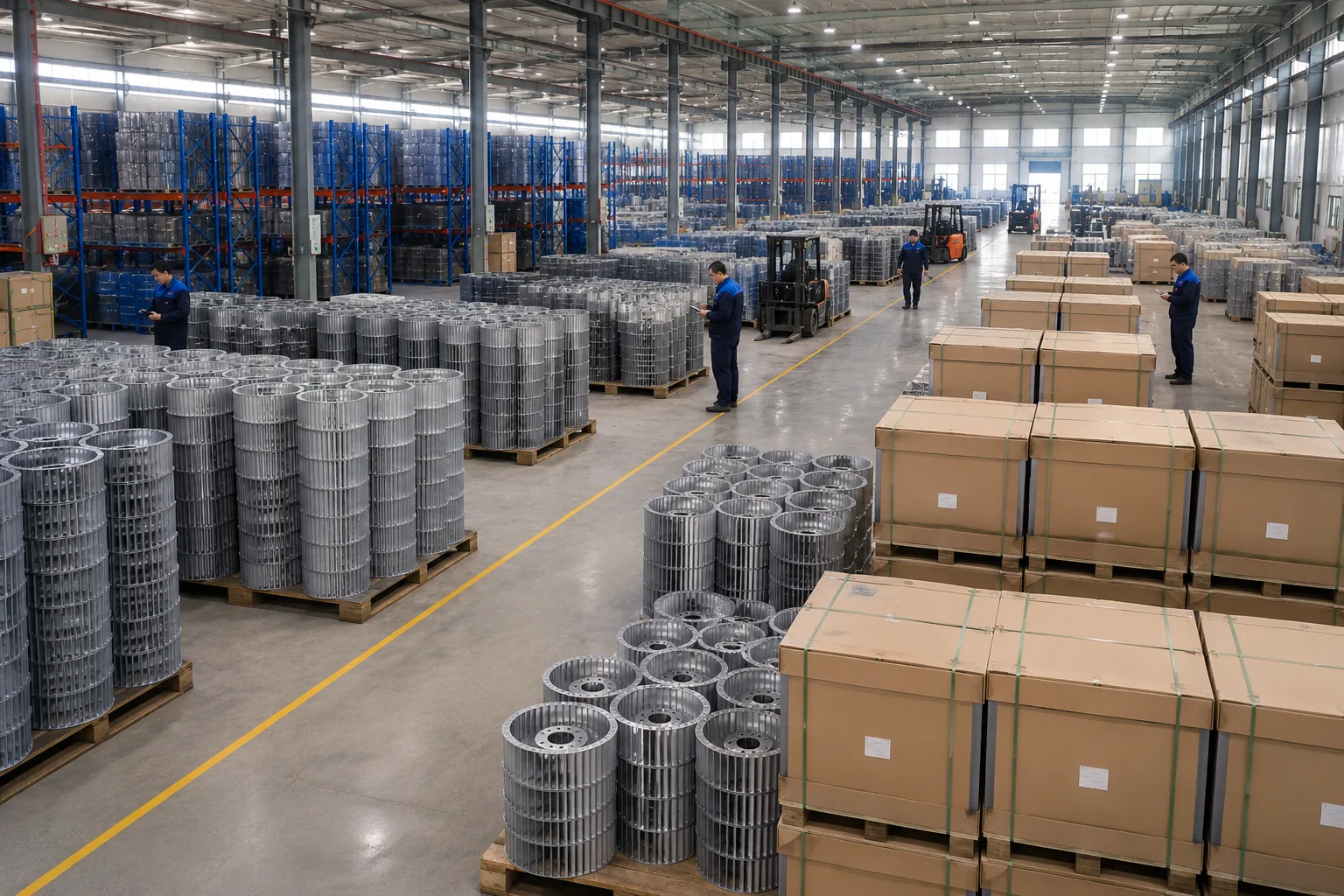
Integrated production, assembly, inspection and warehousing space.
Manufacturing and Quality Evidence
Review how approved requirements connect to production, inspection, records and supplier qualification.
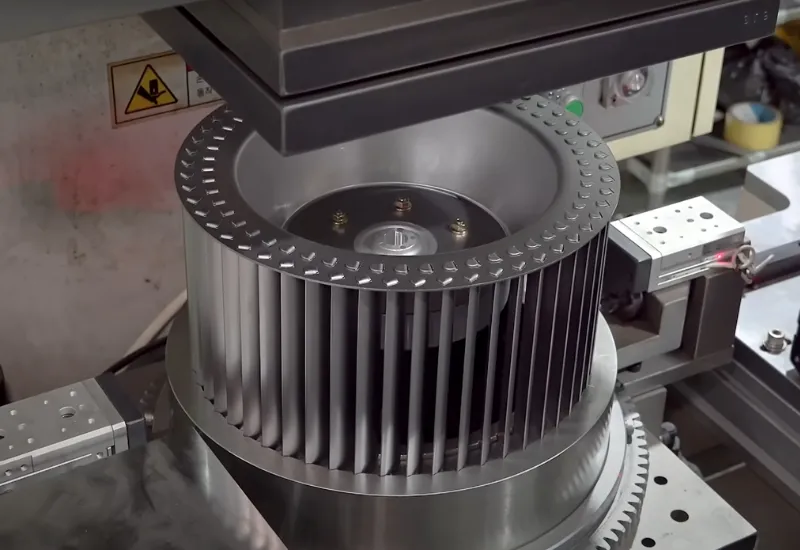
Equipment supporting forming, joining, assembly and verification.
From approved inputs and tooling through production, inspection and packing.
Finished products pass final inspection before shipment.
A capability claim should answer five supplier-audit questions
A machine name or factory photograph is not enough. Buyers need to understand the task, control input, actual action, resulting output and proof that the evidence applies to their product route.
| Question | What the page should show | Evidence needed before publication |
|---|---|---|
| What is done? | The actual manufacturing, review, inspection or packaging task. | Process owner confirmation and applicable product family. |
| What controls it? | Drawing revision, approved sample, order requirement or work instruction. | Desensitized controlled-document example. |
| Who or what performs it? | Responsible role, equipment, tooling or defined method. | Current photograph, equipment identity and capability boundary. |
| What output is created? | Part condition, measurement, record, label, approval or handoff. | Desensitized output or record sample. |
| Where does it apply? | Product type, project requirement, method, frequency and exceptions. | Scope statement with responsible-person approval and review date. |
Review manufacturing, quality and engineering coordination as one system
These routes are separated for depth, but each project should connect them through the same approved requirements.
Actual production workflow
Follow the part from approved inputs and preparation through the verified production route, in-process control and packaging handoff.
Review manufacturing processRequirement-to-record inspection
Define characteristics, methods, frequency, acceptance, records, exception handling and release responsibility.
Review quality & inspectionInput, change and approval control
Identify missing data, manufacturability questions, drawing or sample approval and the conditions needed before release.
Review custom developmentFrom approved information to a controlled production route
The final website must describe only the steps TSLBlower actually performs for each product family. Generic industry steps and unverified machine lists are not evidence.
Open Manufacturing Process- Approved production inputCurrent drawing, sample or project record, quantity, material and quality requirements.
- Product-specific routingVerified preparation, formation, joining or assembly steps for the applicable wheel family.
- In-process controlDefined points where version, geometry, interface or workmanship is checked before the next operation.
- Completion and handoffFinal configuration, identification, packaging and requested document preparation.
Define inspection requirements before claiming quality capability
Dimensions, appearance, balance, material documents, labels and packaging can require different methods and records. TSLBlower must confirm equipment, method and scope for the actual project.
Discuss Inspection RequirementsWhat must be checked
Critical dimension, interface, configuration, appearance, balance, label, packaging or document.
How it is checked
Specified instrument, fixture, equipment or review method with applicable calibration evidence.
What result is acceptable
Drawing tolerance, approved sample, agreed standard or project-specific criterion.
What evidence remains
Inspection result, sample record, nonconformance decision, approval or release record.
Certification logos are not proof by themselves
Before a certificate appears on the website, verify the certificate holder, issue and expiry dates, product or process scope, model applicability and original document. If those fields are missing, state that documentation is reviewed by project instead.
Match certificates and records to the correct entity and scope
- Company and site identityLegal entity, manufacturing address and actual in-house or outsourced scope.
- Certificate ownership and validityCorrect holder, issuer, number, scope, issue date and expiry date.
- Product and market applicabilityModels, materials, process or destination requirements covered by the document.
- Project document packageRecords requested by the buyer and actually available for the agreed project.
Information to request before approving a blower wheel supplier
| Audit area | Questions to ask | Acceptable evidence type |
|---|---|---|
| Entity and factory | Which legal entity quotes and manufactures? Which operations are in-house? | Verified registration/site information and current process photographs. |
| Product scope | Which wheel families, geometries and project routes are currently supported? | Current product, drawing and work-in-process evidence. |
| Process control | How are revisions, tooling, instructions and changes controlled? | Desensitized route, work instruction, revision or approval record. |
| Inspection | Which characteristics, methods, frequencies and records are available? | Equipment evidence and anonymous inspection record. |
| Exceptions and release | How is nonconforming work identified, reviewed, approved and released? | Verified nonconformance and release workflow. |
| Commercial scope | What factors determine quotation, MOQ, sample path and timing? | Project-specific quotation terms after review. |
Capability and supplier-audit questions
What should a blower wheel capability page prove?
It should connect each claimed capability to a real process, responsible role, output and supporting evidence. Factory photos, equipment lists, inspection records and certificates must match the actual TSLBlower entity and stated scope.
Does this page confirm every product size and material?
No. Size, material, tolerances, speed, environment and testing requirements are project-specific. The page explains the review route and verified capability boundaries, while the quotation and approved documents define the actual scope.
How are manufacturing and quality different?
Manufacturing explains how approved work moves through production. Quality explains how requirements are checked, recorded, escalated and released. The two are linked but need separate evidence and responsible roles.
Can certificates be requested?
Available certificates or documents can be discussed for the target market and project. A certificate should be displayed only after its entity, scope, models and validity have been verified against the original.
Need manufacturing and quality evidence for your project?
Share the drawing, inspection requirements and supplier-qualification questions your team needs to verify.