
HVAC, refrigeration, commercial ovens and industrial ventilation.
Find the Right Application Review Path
Start with equipment, air path and installation context before selecting a blower wheel route.

Material and validation routes can be reviewed across demanding environments.
Component reviews can support equipment designed for continuous operation.
Experience translating equipment constraints into blower wheel requirements.
Find the project route before naming the wheel.
Many teams know the equipment problem before they know the blower wheel terminology. Begin with what the equipment must do, then capture the air path, available envelope, operating conditions, interfaces and service constraints.
Define the equipment task
Describe the equipment function, the existing part if there is one, and the issue or development objective that prompted the review.
Map the system context
Show the housing, inlet and outlet path, usable space, motor or speed context, and any access limitations.
Confirm what must fit
Collect mounting, shaft or hub details, rotation reference, critical dimensions and the drawing or sample revision.
Explore the equipment context closest to your project.
Each route identifies the questions that matter before a wheel type, construction approach or inspection scope can be reviewed.
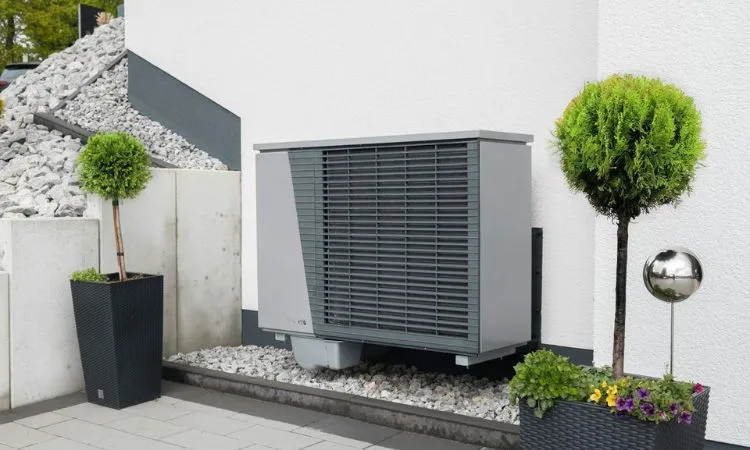 HVAC
HVACHVAC & Ventilation
Review air path, duty requirements, space, interfaces and the system factors that affect the selection route.
Explore HVAC & ventilation →Image required: cooling equipment air channel and installed cross-flow wheel
COOLINGRefrigeration & Cooling
Capture cooling-equipment layout, air channel, available envelope, shaft ends and operating-environment inputs.
Explore refrigeration & cooling →OVENSCommercial Ovens & Baking
Organize the impeller interface, rotation, heat-circulation context and replacement or new-development inputs.
Explore oven & baking projects →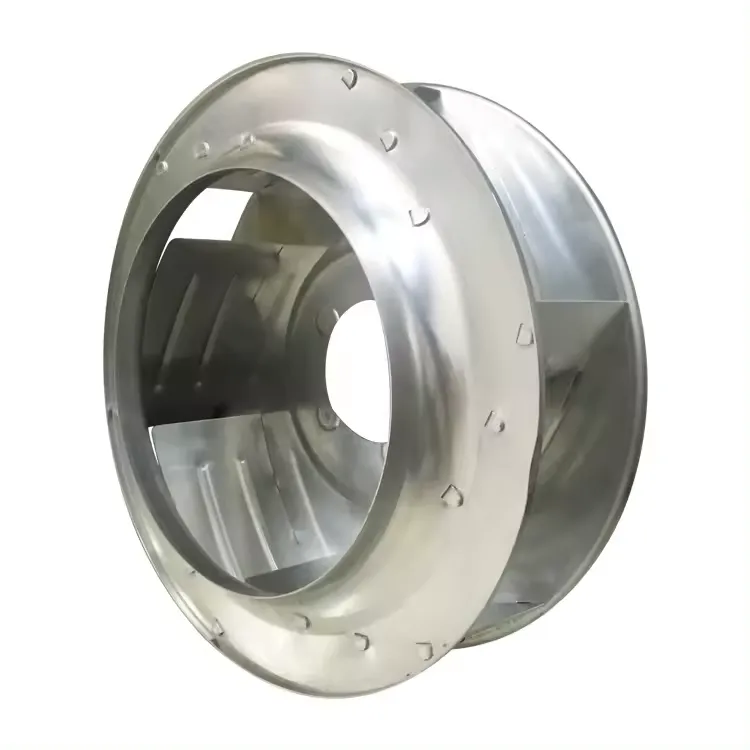 INDUSTRIAL
Industrial Ventilation & Drying
Define the duty point, medium, operating boundary, maintenance needs and mechanical constraints first.
Explore industrial projects →Use the same six questions across every application.
This matrix is a starting checklist, not a substitute for an agreed project specification. Unknown fields can be identified during the review.
| Engineering input | What to provide | Why it is reviewed |
|---|---|---|
| Equipment and task | Equipment function, existing part, intended change or problem to solve. | Sets the project context before a component route is considered. |
| Air path and duty | Housing, inlet/outlet arrangement, operating point and speed context when available. | Connects the wheel discussion to the complete system. |
| Space and interfaces | Available envelope, shaft or hub, mounting, clearance, rotation reference and service access. | Helps identify fit-critical details and missing measurements. |
| Environment and operation | Operating schedule, media or cleaning context, temperature or humidity information, and required documents. | Records project conditions that must be reviewed rather than assumed. |
| Evidence available | Drawing revision, sample, photos, labels, known dimensions and prior approval information. | Defines the starting point for an engineering review. |
| Commercial scope | Quantity, target market and requested documentation. | Provides the context for a project-specific response without publishing fixed commercial promises. |
An application name is not a complete selection specification.
Two machines in the same industry can use different air paths, duty points, speeds, space envelopes, interfaces and operating environments. Use the application route to organize the questions, then move to a project-specific review.
Review blower wheel selection factorsConnect the application to the next engineering decision.
Once the equipment context is clear, the project can move to the relevant product route, custom-development discussion and agreed quality requirements.
- 01
Choose the equipment route
Enter the application guide that most closely matches the equipment and project question.
- 02
Gather available inputs
Bring a drawing, sample or technical information, together with the air path and mechanical interface details.
- 03
Review product options
Use the product pages to understand the available routes without treating them as a final system recommendation.
- 04
Confirm the project path
Discuss the information gaps, approval requirements and the next engineering action for the specific project.
Move from application context to a product or custom project review.
PRODUCTS
Compare blower wheel routes
Explore forward curved, backward curved, cross-flow, oven and replacement routes by structure and project input.
Browse products → CUSTOM SOLUTIONSStart from what you have
Use a drawing, operating requirements or a sample to begin a custom blower wheel project discussion.
Review custom solutions → RFQSend your equipment context
Submit the information available now and identify the next inputs during a project review.
Contact TSLBlower →Common questions before a project review.
Can a blower wheel be selected only by application name?
No. Two machines in the same industry may have different air paths, duty points, speed, space, interfaces and environments. The application page helps organize questions, but a project-specific review is still needed before selection or manufacturing decisions.
What equipment information should I provide?
Share the equipment function, existing wheel or drawing, air path, available space, mounting and shaft details, rotation, operating conditions, quantity and the problem you want to solve. Unknown items can be identified during the review.
Which applications are covered on this site?
The planned application routes cover HVAC and ventilation, refrigeration and cooling, commercial ovens and baking equipment, and industrial ventilation or drying. Actual fit and manufacturing scope must be confirmed per project.
Ready to review your equipment application?
Send the equipment context, air path, operating target and available wheel details for a project-specific review.