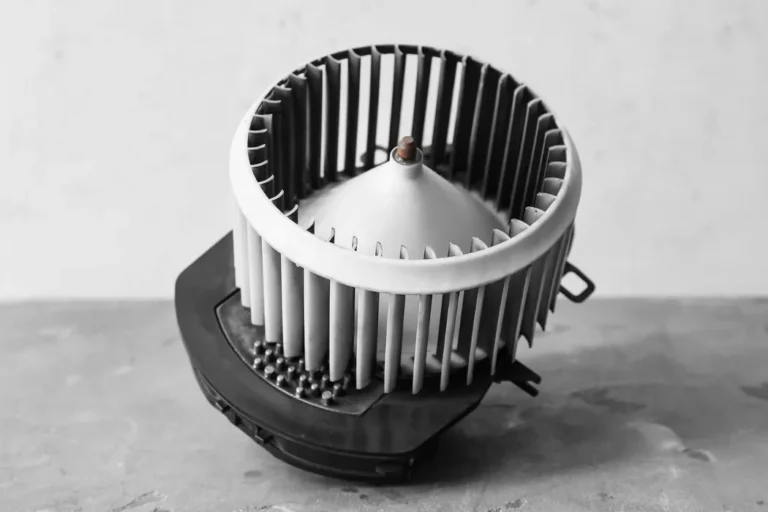
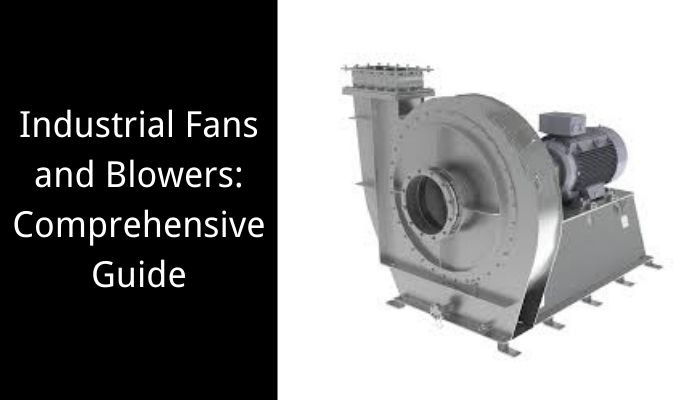
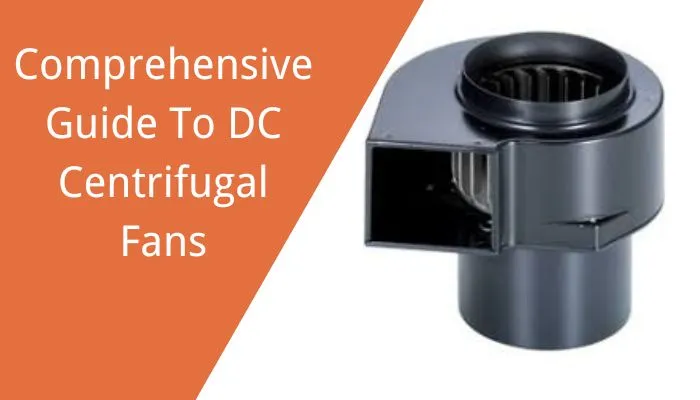
For HVAC/R manufacturers and industrial oven designers, the line item labeled “NRE” (Non-Recurring Engineering) on a supplier quote often triggers immediate hesitation. It represents a sunk cost that startups and SMEs fear they cannot recover. Consequently, many engineers default to standard catalog parts, forcing a generic off-the-shelf component into a specialized chassis. This “Frankenstein” approach often results in compromised airflow efficiency, higher noise levels, and ultimately, a weaker market position. The reality of modern manufacturing in hubs like Dongguan is that custom tooling is no longer the prohibitive barrier it was a decade ago.
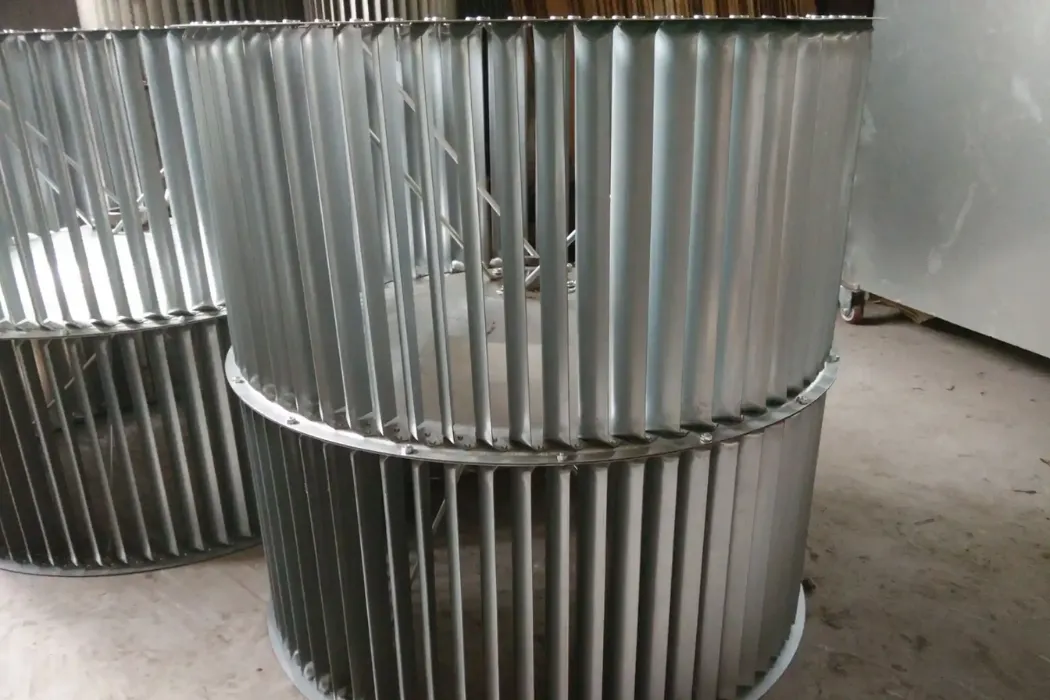
The direct answer to the costing question is transparent: for a standard galvanized steel centrifugal blower wheel, mold fees typically range from $1,000 to $5,000 depending on diameter and complexity. While unit prices fluctuate based on raw material indexes, leveraging a Zero MOQ policy allows businesses to bypass the heavy inventory holding costs that traditional distributors demand.
The true financial impact of a blower wheel, however, extends far beyond the initial invoice price. It involves calculating the Total Cost of Ownership (TCO), which includes supply chain logistics, balancing grade compliance (G6.3), and the hidden expenses of potential field failures. Understanding the mechanics of mold amortization and supply chain tiers is the only way to accurately project your project’s ROI and transition from a transactional buyer to a strategic partner.
How Much Does a Custom Blower Wheel Cost for Your Business?
The cost structure of a custom blower wheel is bifurcated into NRE (Non-Recurring Engineering) and Unit Price. While tooling requires an upfront investment of $1,000–$5,000, the unit price drops significantly as volume increases. For a standard 200mm galvanized impeller, unit costs can decrease by 30-40% when moving from a pilot run of 50 units to a mass production run of 5,000 units, primarily due to automated stamping efficiencies.
Determining the final cost of a blower wheel requires looking past the simple “price per piece” listed on a Proforma Invoice. The market is divided into two distinct sourcing channels: Direct Factory manufacturing and Catalog Distribution. Understanding the gap between these two models is the first step in optimizing your procurement strategy. A catalog distributor typically marks up standard inventory by 25% to 50% to cover warehousing and immediate availability. In contrast, working directly with a factory removes these overheads but introduces the variable of tooling amortization.
The “Direct Factory” vs. “Catalog Distributor” Price Gap
The primary financial advantage of direct sourcing is the elimination of the “convenience premium.” Distributors charge for the privilege of immediate dispatch, but they offer little in terms of engineering adaptability.
- Inventory Costs: Distributors factor the cost of “dead stock” into their pricing. When you buy from a catalog, you are effectively subsidizing their unsold inventory. Direct factories produce on demand, ensuring you pay only for materials and labor relevant to your order.
- Engineering Flexibility: Modifying a catalog wheel (e.g., enlarging a bore size) usually requires a third-party machine shop, adding $15-$20 per unit in secondary labor. A direct factory integrates this into the initial production cycle for pennies on the dollar.
- Scalability Limits: Distributors rarely offer significant volume discounts because their margins are fixed. Factories operate on economies of scale; as your machine uptime increases, your component cost decreases.
By engaging directly with a manufacturer like TSLBlower, you trade the immediacy of “next-day shipping” for the long-term profitability of a supply chain optimized for your specific P-Q curve requirements.
Understanding the “Volume Discount Curve”: From 50 Units to 10,000 Units
Manufacturing is a game of setup times. The cost to set up a stamping press or a balancing machine is static, whether you run 50 parts or 5,000. This reality creates a steep discount curve that smart buyers capitalize on.
- Low Volume (50-200 units): Prices are highest here because the setup cost is amortized over fewer units. However, with a Zero MOQ partner, this tier is still accessible for prototyping without the penalty of massive minimums.
- Mid Volume (1,000-3,000 units): This is the “sweet spot” for most SMEs. At this level, raw material purchasing becomes more efficient, and production lines run continuously, dropping labor costs per unit by approximately 15-20% compared to low volume runs.
- High Volume (10,000+ units): Here, automation takes over. Manual balancing may be replaced by automated balancing stations, and coil-fed stamping presses reduce scrap rates. Unit costs can be 40% lower than the initial pilot run price.
Savvy procurement managers use this curve to negotiate “tiered pricing” contracts, locking in lower rates for future quarters based on projected annual usage rather than single purchase orders.
Base Price Estimations: Forward Curved vs. Backward Curved Configurations
The physical geometry of the wheel dictates the manufacturing complexity and, consequently, the base price. Not all impellers are created equal in the eyes of the cost accountant.
- Forward Curved (FC): These wheels typically use many small blades and require intricate tab-locking or riveting processes. The high blade count increases material usage and assembly time. However, they are generally made of thinner gauge galvanized steel, which keeps material costs moderate.
- Backward Curved (BC): Often requiring thicker materials to withstand higher static pressures and RPMs, BC wheels may involve welding or complex aluminum die-casting. A welded steel BC wheel can cost 2x to 3x more than a riveted FC wheel of the same diameter due to the manual labor involved in welding and grinding.
- Cross Flow: Pricing here is driven by length. Long impellers require multiple support disks and specialized balancing to prevent flexing, adding to the complexity and cost.
Selecting the right aerodynamic profile is not just an engineering decision; it is a budgetary one. Over-specifying a welded backward curved wheel for an application that only requires a standard riveted forward curved wheel is a common source of inflated COGS (Cost of Goods Sold).
Estimated Cost Breakdown (Where Your Money Goes)
To help you benchmark your current supplier quotes, use this reference table based on 2024 industry averages for a standard 200mm centrifugal impeller.
| Cost Driver | Approx. % of Unit Price | Optimization Strategy |
|---|---|---|
| Raw Material (Sheet Metal) | 45% – 55% | Lock in pricing quarterly to avoid spot market spikes. |
| Labor & Stamping | 20% – 25% | Use hard tooling (progressive dies) to reduce cycle time. |
| Balancing (G6.3) | 10% – 15% | Avoid over-specifying G2.5 unless mandatory. |
| Packaging & Logistics | 5% – 10% | Use high-density nesting patterns to maximize container fill. |
| Factory Margin | 10% – 15% | Volume discounts compress this margin over time. |
What Key Factors Influence Custom Blower Pricing?
Beyond the basic dimensions of diameter and width, the “invisible” specifications on your engineering drawing drive the manufacturing cost. Two impellers may look identical to the naked eye, but if one requires G2.5 precision balancing and the other accepts G6.3, the price delta can be 20-30%. Understanding these cost drivers helps you avoid paying for tolerances your application does not require.
Balancing Standards: The Cost Difference Between G6.3 and Standard Static Balancing
Vibration is the enemy of longevity, but silence comes at a price. The level of dynamic balancing you specify dictates the cycle time on the balancing machine and the labor required to add or remove weight.
- Static Balancing: The most basic form, correcting imbalance in a single plane. Suitable for low-speed applications (< 1000 RPM). It is the cheapest option but risky for precision HVAC equipment.
- ISO 1940-1 Grade G6.3: The industry standard for general industrial fans and HVAC blowers. It requires dual-plane dynamic balancing to ensure smooth operation at standard motor speeds (1400-3000 RPM). This is the baseline cost for most TSLBlower quotes.
- ISO 1940-1 Grade G2.5: A high-precision standard required for sensitive medical or laboratory environments. Achieving this requires slower, meticulous weight correction and more expensive testing equipment, adding a premium to the unit cost.
For 90% of industrial ovens and commercial ventilation systems, Grade G6.3 provides the optimal balance between acoustic performance and manufacturing cost. Specifying G2.5 without a technical justification is a common way to overspend.
Complexity of Design: Tab-locking, Riveting, and Hub Customization
The mechanical assembly method determines both the structural integrity of the wheel and the manufacturing throughput rate.
- Tab-Locked (Mechanically Locked): Blades are inserted into the backplate and ring, then twisted or bent to lock. This process is highly automated and typically the most cost-effective solution for standard forward-curved wheels.
- Riveted: A separate rivet is used to secure each blade. This adds material cost (the rivets) and requires a dedicated riveting station. While it costs approximately 10-15% more than tab-locking, it offers superior durability for high-torque starts.
- Welded: Necessary for heavy-duty industrial applications. Manual welding is labor-intensive and slow, significantly increasing the unit price. Robot welding mitigates this but requires high Setup NRE.
Unless your application involves extreme RPM fluctuations or high particulate loads, a riveted or tab-locked design is sufficient and far more economical than a fully welded assembly.
Tolerance Requirements: Why H6/H7 Bore Precision Impacts Manufacturing Costs
The interface between the motor shaft and the blower hub is critical. A loose fit causes runout; a tight fit makes assembly impossible. The precision of this bore hole is a subtle but significant cost factor.
- Standard Tolerance: A drilled hole without secondary reaming. It is cheap but may result in a “wobbly” fit, requiring set screws to be overtightened, which can distort the hub.
- H7 Tolerance: The “Gold Standard” for motor fits. It requires a secondary CNC or reaming operation to ensure the bore is within microns of the target size. This ensures a perfect slide-fit but adds machine time.
- Keyways and Set Screws: Adding a keyway requires a broaching step. While standard on large wheels, for smaller shafts (< 10mm), relying solely on a set screw (grub screw) can reduce machining costs.
Investing in an H7 tolerance bore is usually worth the marginal cost increase, as it dramatically reduces field failures caused by shaft vibration and fretting corrosion.
How Do Mold Fees and NRE Impact Your Budget?
The term “Mold Fee” is often misunderstood. It is not just a fee; it is an asset purchase. Tooling costs for centrifugal fans can range from $500 for simple modifications to over $5,000 for complex progressive dies. The key to managing this expense is understanding the relationship between NRE (Non-Recurring Engineering) and your product’s lifecycle volume.
Hard Tooling vs. Soft Tooling: Choosing the Right Mold for Your Lifecycle
Your production volume should dictate your tooling strategy. Choosing the wrong path here can bleed cash—either upfront or over time.
- Soft Tooling (Low NRE, High Unit Cost): Uses laser cutting and CNC bending brakes. Ideal for prototypes or batches under 500 units. You avoid the $3,000 mold fee, but you pay significantly more per part due to the slower, manual production process.
- Hard Tooling (High NRE, Low Unit Cost): Involves creating dedicated steel stamping dies. The upfront cost is high ($2,000 – $5,000+), but it allows for rapid stamping (seconds per part). This is the only viable path for volumes over 2,000 units/year.
- Hybrid Approach: Using a standard “public mold” for the blades and ring, but paying a small NRE for a custom backplate or hub. This is often the smartest route for SMEs.
For a new product launch, starting with soft tooling or a hybrid approach minimizes risk. Once market validation is achieved, investing in hard tooling creates an immediate margin jump.
The “Amortization” Strategy: Recovering Mold Costs on High-Volume Orders
You don’t always have to pay the mold fee upfront as a lump sum. Sophisticated buyers negotiate amortization structures to preserve cash flow.
- Direct Payment: You pay 100% of the tooling cost upfront. The mold is your legal property. This ensures the lowest possible unit price from Day 1.
- Amortization (Piece-Price Add-on): The factory spreads the tooling cost over the first 5,000 or 10,000 units. For example, adding $0.50 to the unit price until the mold is paid off. This reduces initial capital expenditure (CapEx).
- Refund on Volume: A common policy at TSLBlower. If your cumulative orders reach a certain threshold (e.g., 10,000 units), the initial mold fee is credited back to you or deducted from future orders.
Always ask your supplier about their “Refund on Volume” policy. It effectively turns your tooling cost into a deposit rather than an expense.
Modification Costs: Changing Bore Sizes or Blade Angles on Existing Molds
A common misconception is that any change requires a brand-new mold. In reality, molds are often modular.
- Changing Bore Size: Usually requires only changing a removable insert or bushing in the mold. The cost is minimal (often <$300) compared to a full new tool.
- Changing Blade Width: If the mold design allows for adjustable stops, the width can sometimes be varied without new tooling. However, this depends heavily on the specific die design.
- Changing Blade Curvature/Angle: This almost always requires a completely new mold, as the physical geometry of the die must match the blade profile.
Before locking in a design, consult with the TSL engineering team to understand which dimensions are “variable” within the standard tooling ecosystem and which are “fixed.”
What Are the Hidden Costs in Supply Chain Logistics?
For an HVAC manufacturer, the “Ex-Works” or “FOB” price is only half the story. Blower wheels present a unique logistical challenge: they are heavy (steel) yet voluminous (mostly empty space), and highly susceptible to transport damage. Failing to account for packaging specifications and freight density can add 15% to 30% to your final landed cost, eroding the savings gained from direct factory sourcing.
Packaging Integrity: The Cost of VCI Rust Prevention and Reinforced Pallets
A centrifugal fan traveling from Dongguan to Chicago spends 30+ days at sea. The saline humidity inside a shipping container is aggressive, capable of turning a galvanized wheel into a rusted scrap metal before it even reaches your dock.
- Rust Prevention (VCI): Standard plastic bags trap moisture. Professional exporters use VCI (Volatile Corrosion Inhibitor) films. While this adds approximately $0.15 – $0.25 per unit, it creates a molecular barrier against oxidation. Skipping this to save pennies is a catastrophic risk for carbon steel parts.
- Structural Protection: Impeller blades are precise aerodynamic surfaces; a minor dent throws off the balance. For LCL (Less than Container Load) shipments, double-walled corrugated cartons are insufficient. Reinforced wooden crates or corner-guarded pallets are mandatory, often adding $20-$30 per pallet to the logistics budget.
- The “Stacking” Tax: If wheels are not packed with vertical dividers, they cannot be stacked efficiently. This forces you to pay for “dead air” in the container. Ensuring your factory calculates the optimal “nesting” strategy is critical for reducing per-unit freight costs.
Investing in “Export Grade” packaging is not an upsell; it is an insurance policy. A damaged shipment results in not just replacement costs, but critical line-down situations at your assembly plant.
Freight Volatility: Calculating Landed Cost (FOB vs. DDP) for Heavy Industrial Parts
Freight rates fluctuate wildly, but the physical properties of your cargo do not. Understanding how carriers charge for blower wheels helps you negotiate better Incoterms.
- Dimensional Weight vs. Actual Weight: Blower wheels are “bulky.” A carrier will charge you based on the space the pallet occupies, not just its weight. Optimizing the master carton size to fit standard 1000x1200mm pallets without overhang avoids “oversize” surcharges.
- FOB (Free on Board) Risks: Buying FOB Shenzhen gives you control over the ocean freight, but you assume the risk once the goods cross the ship’s rail. For SMEs, this often means managing customs clearance and drayage alone.
- DDP (Delivered Duty Paid) Value: While TSLBlower can quote DDP, adding a premium for handling, it locks in your final cost. For smaller orders (< 500 units), DDP eliminates the unpredictability of port fees and tariffs, making your unit cost calculation fixed and predictable.
Always request a “Pack List Simulation” along with your product quote. Knowing the exact CBM (Cubic Meter) volume allows you to calculate the true landed cost per wheel before you cut the PO.
Inventory Holding: The Financial Benefit of “Zero MOQ” Flexibility
The hidden cost of “Minimum Order Quantity” (MOQ) is the capital tied up in warehouse shelves. Traditional suppliers often force a 1,000-unit MOQ, requiring you to store 900 units while you use the first 100.
- Cost of Carry: Warehousing, insurance, and the opportunity cost of cash typically amount to 20-30% of the inventory value annually. Buying 1,000 wheels to get a $10 discount is a net loss if those wheels sit for 12 months.
- Design Agility: If your engineering team upgrades the motor or changes the chassis design six months later, that stockpile of 900 wheels becomes obsolete scrap (Dead Stock).
- The Zero MOQ Advantage: TSLBlower’s ability to supply 50 or 100 units means you operate on a Just-In-Time (JIT) basis. You pay slightly more per unit for the smaller batch, but your cash flow remains liquid, and your obsolescence risk drops to zero.
Smart sourcing isn’t about getting the lowest price on a 10,000-unit invoice; it’s about matching your procurement volume to your actual consumption rate to maximize working capital efficiency.
What Are the Cost Tiers From Prototype to Mass Production?
Cost per unit is not static; it is a function of your product’s maturity stage. A common mistake procurement managers make is expecting mass production pricing on a pilot run, or conversely, failing to renegotiate terms once volume scales. At TSLBlower, we categorize production into three distinct tiers, each with its own cost logic and manufacturing methodology.
Tier 1: Rapid Prototyping & Sampling (3-7 Days Lead Time)
In the R&D phase, speed is the only metric that matters. Waiting 4 weeks for a sample can kill a project’s momentum. Tier 1 is designed for physical validation and airflow testing.
- Methodology: We utilize laser cutting and manual bending brakes instead of dedicated stamping dies. This “Soft Tooling” approach bypasses the need for expensive NRE.
- Cost Structure: Unit cost is high (often 3x-5x the mass production price) because it involves skilled manual labor. However, the NRE is zero or negligible.
- Objective: To deliver a functional, balanced impeller in 3-7 days. This allows your engineering team to validate the P-Q curve and fitment before committing to hard tooling.
Think of the premium paid here not as a “cost,” but as an investment in speed-to-market. It allows you to fail fast and iterate cheaply.
Tier 2: Pilot Runs (Small Batch Validation without Massive Tooling Investment)
This is the “Valley of Death” for many startups—orders of 50 to 500 units. Most large factories refuse these orders or demand exorbitant setup fees. TSLBlower treats this as a strategic partnership phase.
- Methodology: A hybrid approach. We may use existing “public molds” for standard components (like the backplate) while custom-machining the hub or laser-cutting specific blade profiles.
- Cost Structure: Prices stabilize. You pay a moderate unit price—lower than prototyping but higher than mass production. The key advantage is Zero MOQ; you are not forced to buy 1,000 units when you only need 200 for your initial market test.
- flexibility: This tier allows for “Market Feedback” modifications. If your end-users complain about noise, we can adjust the balancing grade or blade angle for the next batch without scrapping a $5,000 mold.
Tier 2 is where the TSLBlower “Startup Friendly” ethos shines, bridging the gap between a garage prototype and a container-load order.
Tier 3: Mass Production Optimization (Automated Balancing & Stamping)
Once your design is locked and demand hits 1,000+ units per month, we shift gears to pure efficiency. This is where the unit price hits rock bottom.
- Methodology: Full Hard Tooling. Progressive stamping dies produce parts in seconds. Welding robots replace manual welders. Balancing is handled by automated stations that correct unbalance in under a minute.
- Cost Structure: Heavy upfront NRE (which may be amortized), but the lowest possible unit price. Material waste is minimized through coil optimization.
- Lead Time: Standardized to 20-25 days for full container loads. Supply chain stability becomes the priority over design flexibility.
Transitioning to Tier 3 is a milestone. It signifies that your product has graduated from “Concept” to “Commodity,” and our role shifts from “Engineering Partner” to “Volume Supplier.”
How Does Material Choice Affect Long Term Unit Cost?
Raw material typically accounts for 40% to 60% of the ex-factory price of a blower wheel. However, the sticker price of the sheet metal is only one variable in the equation. Experienced engineers select materials not just for their cost per kilogram, but for their specific density, thermal properties, and impact on the motor’s lifespan.
Galvanized Steel vs. Aluminum: Raw Material Market Fluctuations
The choice between Galvanized Steel (GI) and Aluminum often comes down to a battle between “Low Initial Cost” and “Low Operating Mass.”
- Galvanized Steel (GI): The industry workhorse. It is the most economical option for general HVAC applications. However, steel prices are globally commoditized and can fluctuate by 10-15% annually based on iron ore indices. It is heavy, durable, and cheap.
- Aluminum Alloy: While the raw material cost of aluminum is typically 2x to 3x higher than steel per kilogram, its lower density (about 1/3 of steel) means you get three times the volume for that weight.
- The “Real” Cost Delta: For a standard 200mm wheel, an aluminum version might cost 20% more than a steel version, not 300% more, because the material thickness and manufacturing processes balance out the raw metal premium.
If your application is price-sensitive and static (e.g., a heavy floor-standing unit), Galvanized Steel wins. If weight reduction is critical, Aluminum justifies the premium.
Stainless Steel 304: The Premium for High-Temperature & Corrosion Resistance
When engineering for industrial ovens or food-grade environments, “Standard” is not an option. Stainless Steel 304 (SUS304) is a specialized material with a distinct cost profile.
- The High-Temp Premium: For operating environments above 250°C (480°F), galvanized coatings fail and peel (delamination). SUS304 maintains structural integrity up to much higher temperatures. Expect a unit cost multiplier of 2.5x to 3.5x compared to galvanized steel due to harder machining and higher scrap value.
- Corrosion Resistance: In medical or marine HVAC applications, rust is a liability. A SUS304 wheel eliminates the need for expensive post-production epoxy coatings, often resulting in a lower total part cost despite the expensive raw material.
- Food Safety: For commercial kitchen equipment, SUS304 is often mandatory for compliance (FDA/NSF), making the cost non-negotiable.
Treat Stainless Steel as a functional necessity, not a luxury. Using galvanized steel in a 300°C oven isn’t cost-saving; it’s a warranty claim waiting to happen.
Weight Analysis: How Material Density Impacts Shipping and Motor Load Costs
A heavier wheel costs more to move—both across the ocean and inside the housing.
- Shipping Savings: For air freight or courier shipments (common for spare parts), an aluminum impeller’s light weight can save $10-$50 per shipment compared to steel. Even in LCL ocean freight, the reduced gross weight can lower inland trucking fees.
- Motor Efficiency (Moment of Inertia): A heavy steel wheel requires more torque to start. This often forces engineers to spec a larger, more expensive capacitor or motor. Switching to a lighter aluminum wheel reduces the Rotational Moment of Inertia, potentially allowing you to downsize the motor and save $5-$10 per unit on the motor BOM cost.
- Bearing Life: Less rotating mass means less radial load on the motor bearings, extending the MTBF (Mean Time Between Failures) of the entire system.
Sometimes, paying an extra dollar for a lighter aluminum wheel saves you five dollars on the motor and logistics. Always calculate the cost of the system, not just the component.
Material ROI Comparison Matrix
| Material Type | Cost Index | Max Temp. | Best Application (ROI) |
|---|---|---|---|
| Galvanized Steel | 1.0 (Base) | 230°C (450°F) | General HVAC, Fan Coil Units (Static, Cost-Sensitive). |
| Aluminum Alloy | 1.2 – 1.4x | 200°C (400°F) | Mobile units requiring light weight & longer motor life. |
| Stainless Steel 304 | 2.5 – 3.5x | 450°C (840°F) | Industrial Ovens, Food Processing (Hygiene/Heat Critical). |
Note: “Cost Index” refers to the relative unit price compared to a standard galvanized wheel.
Beyond Cost Why Is Customization a Smart Investment?
A procurement strategy focused solely on the lowest piece price often misses the larger financial picture. Customizing a blower wheel is not an indulgence; it is a strategic lever to optimize your entire machine’s performance. By tailoring the component to the application, you unlock savings in areas that dwarf the initial tooling investment.
System Efficiency: Matching the P-Q Curve to Avoid “Over-Spec” Motors
Standard catalog wheels rarely match your system’s exact resistance curve. This mismatch forces engineers to “safety margin” their design, often resulting in oversized, power-hungry components.
- The “Over-Spec” Trap: If a standard wheel delivers slightly less airflow than needed, you are forced to jump to the next motor size (e.g., from 350W to 500W). This increases your BOM cost by $15-$20 per unit.
- Custom Solution: By adjusting the blade angle or width of a custom wheel, TSLBlower can hit your exact operating point (CFM @ Static Pressure) using the smaller, cheaper motor.
- Energy Ratings: In an era of strict ErP (Energy-related Products) directives, a custom-matched impeller can be the difference between achieving an A+ energy rating or failing compliance.
The math is simple: Spending $2,000 on a custom mold to save $15 on every motor you ever buy offers an ROI measured in weeks, not years.
Brand Reputation: The Financial Value of Reducing Noise Complaints
In the HVAC and residential appliance sectors, silence is a proxy for quality. A noisy unit is perceived as “cheap” or “broken,” leading to returns and brand damage.
- Resonance Avoidance: Every chassis has a natural resonant frequency. If a standard wheel’s blade pass frequency matches this, the result is an unbearable hum. Customization allows us to change the blade count (e.g., from 40 to 43) to shift the frequency away from this resonance zone.
- The Cost of a Return: Processing a single warranty return due to noise complaints can cost $200-$500 in logistics and technician time—wiping out the profit from selling ten units.
- Perceived Quality: A custom-balanced G6.3 wheel runs smoother, extending the perceived lifespan of your product in the customer’s mind.
Investing in acoustic customization is essentially buying an insurance policy against the most common cause of negative customer reviews.
Installation Speed: Custom Hubs Reduce Assembly Line Labor Costs
Labor rates are rising globally. Any feature that reduces assembly time contributes directly to your gross margin.
- Integrated Hubs: Instead of buying a wheel and a separate taper-lock bushing, a custom wheel can have the hub integrated or spot-welded. This eliminates two assembly steps (aligning and bolting).
- “Poka-Yoke” Design: We can machine custom keyways or set-screw positions that ensure the wheel can only be installed in the correct orientation. This prevents assembly errors that lead to rework.
- Time is Money: Saving just 30 seconds per unit on an assembly line producing 50,000 units a year equals over 400 hours of saved labor annually.
When you customize for manufacturability, you are effectively hiring the blower wheel factory to do part of your assembly work for you.
How Do You Calculate the ROI for Custom Impellers?
The Return on Investment (ROI) for custom tooling is rarely linear. It requires a holistic view that juxtaposes the one-time NRE expense against the recurring savings in labor, energy, and warranty claims. When analyzed correctly, the “premium” for customization often reveals itself to be a discount in disguise.
Avoiding the “Frankenstein” Solution: The Hidden Cost of Adapting Standard Parts
The most common alternative to customization is what we call the “Frankenstein” approach: forcing a standard catalog wheel into a unique chassis using adapters, shims, or altered housing designs.
- The Adapter Tax: Buying a standard wheel with a 12.7mm bore for a 10mm shaft requires purchasing or machining a bushing. This $2.00 part, plus the labor to install it, instantly erases the price advantage of the catalog item.
- Air Leakage Losses: A “close enough” fit usually means the inlet cone gap is not optimized. A gap that is just 2mm too wide can result in a 10-15% drop in static pressure efficiency, forcing the motor to work harder to compensate.
- Assembly Complexity: Managing multiple SKUs (wheel + shim + bushing) increases the risk of supply chain stock-outs compared to managing a single, custom-bored SKU.
A custom wheel that costs $12.00 is functionally cheaper than a $10.00 standard wheel that requires $3.00 of hardware and labor to install. Do not let the invoice price fool you.
Total Cost of Ownership (TCO) Calculator: Energy, Maintenance, and Lifespan
For end-users, the purchase price of the equipment is just the entry ticket; the operating cost is the main event. Custom impellers directly impact the TCO metrics that your sales team pitches to customers.
- Energy Efficiency (Watts): By optimizing the blade curvature to the specific system resistance, TSLBlower can often reduce power consumption by 5-10% while maintaining airflow. On a 24/7 industrial unit, this energy saving pays for the entire fan assembly within 18 months.
- Bearing Wear: As mentioned, lighter custom materials reduce radial load. Extending the bearing replacement cycle from 20,000 hours to 30,000 hours is a massive selling point for facility managers.
- Drop-in Replacement Value: When your equipment eventually needs service, providing a proprietary custom wheel ensures that replacement parts revenue comes back to you, not a generic parts distributor.
Shift your procurement mindset from CAPEX (Capital Expenditure – the mold) to OPEX (Operating Expenditure – the electricity and maintenance). The math always favors efficiency.
Case Scenario: When Breaking Even Happens (Typically Year 1)
Let’s run the numbers on a hypothetical project to visualize the break-even point. Assume a production volume of 2,000 units/year.
- Scenario A (Standard Catalog): Unit Price $10.00 + Adapter Cost $1.50 = $11.50 Total Variable Cost. NRE = $0.
- Scenario B (Custom TSL Mold): Unit Price $10.50 (slightly higher due to smaller batch vs. mass catalog). NRE Tooling = $2,000.
- The Calculation: You save $1.00 per unit in variable costs (by eliminating the adapter). After just 2,000 units (Year 1), you have saved $2,000—fully paying off the mold.
- The Long Game: In Year 2 and beyond, that $1.00 per unit saving becomes pure profit, adding $2,000 straight to the bottom line annually, not counting the intangible benefits of better performance.
For most SMEs, the break-even point for custom tooling occurs within the first 12 months of production. Every day you wait to customize is a day you are leaking margin.
FAQ: Common Questions on Blower Wheel Procurement
How much does a custom blower wheel mold cost?
For a standard centrifugal wheel, hard tooling fees typically range from $1,000 to $5,000. Simple modifications like changing a bore size may cost less than $500. Soft tooling (laser cutting) has zero mold fees but a higher unit price.
What is the minimum order for custom blower wheels?
Most large factories require 1,000 units. TSLBlower operates with a Zero MOQ policy, allowing you to order as few as 1-50 units for prototyping, though unit prices are higher for small batches.
Is it cheaper to stamp or cast a custom fan wheel?
Stamping (sheet metal) is significantly cheaper and lighter than die-casting. Casting is only necessary for complex 3D blade profiles or extremely high-pressure applications. For 95% of HVAC uses, stamped riveted wheels offer the best ROI.
How long does it take to manufacture a custom impeller?
Prototypes can be finished in 3-7 days using laser cutting. Mass production orders generally ship 20-25 days after deposit. Always factor in 30 days for ocean freight if shipping internationally.
Do custom blower wheels have a warranty?
Yes. Reputable manufacturers provide a warranty against manufacturing defects, typically covering balance retention and structural integrity for 12-18 months. Rust is usually excluded unless stainless steel is specified.
How do I amortize the tooling cost?
You can ask to add a small surcharge (e.g., $0.50) to each unit price until the mold fee is paid off, rather than paying the full $3,000 upfront. This preserves your initial cash flow.
Final Thoughts: The Price of Precision
The sticker price of a blower wheel is a misleading metric. A “cheap” off-the-shelf fan that forces you to use an oversized motor, suffer higher freight bills, and risk noise complaints is, in reality, the most expensive component in your warehouse. True cost efficiency comes from integration—designing the wheel to fit your system, not the other way around.
Manufacturing in Dongguan has evolved. It is no longer just about low labor costs; it is about engineering flexibility. TSLBlower bridges the gap between the catalog distributor and the massive OEM factory. By offering Zero MOQ, rapid prototyping, and engineering-grade customization, TSL allows startups and SMEs to access the same supply chain advantages as Fortune 500 HVAC companies.
Don’t let the fear of NRE stall your innovation. Send your P-Q curve requirements or a simple sketch to the TSL engineering team today. With a quote response time of under 24 hours, you can see exactly how a custom solution fits your budget before you commit a single dollar.