
Begin with one custom sample before repeat production.
Custom blower wheels for OEM equipment
Custom Blower Wheel Manufacturer for OEM Equipment
Send a drawing, sample photo or application requirement. TSLBlower reviews the wheel geometry, interfaces, production route and required documents for your OEM project.
- Forward curved, backward curved, cross-flow and oven fan impellers
- Start from a drawing, existing sample or defined project requirement
- Engineering inputs are clarified before sample and production approval
Engineering quote request
Share the project essentials
Unknown technical fields can remain open. Attach one drawing or sample photo when available.
After the required inputs and project route are confirmed.
After sample approval and production requirements are released.
Required documentation scope is confirmed for the quoted project.
Blower wheel product routes
Start with the closest wheel geometry
Product family identifies the first review route. Final fit and performance still depend on the equipment, housing, interfaces, speed, duty and environment.
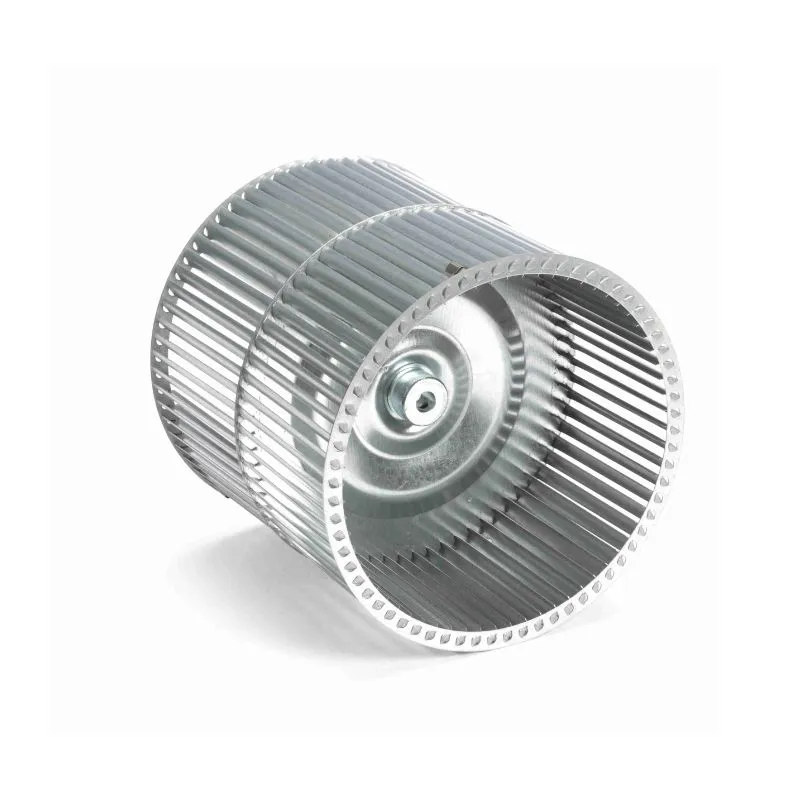
Forward curved
Single and double inlet review
Confirm inlet arrangement, diameter, width, hub or bore, mounting and rotation.
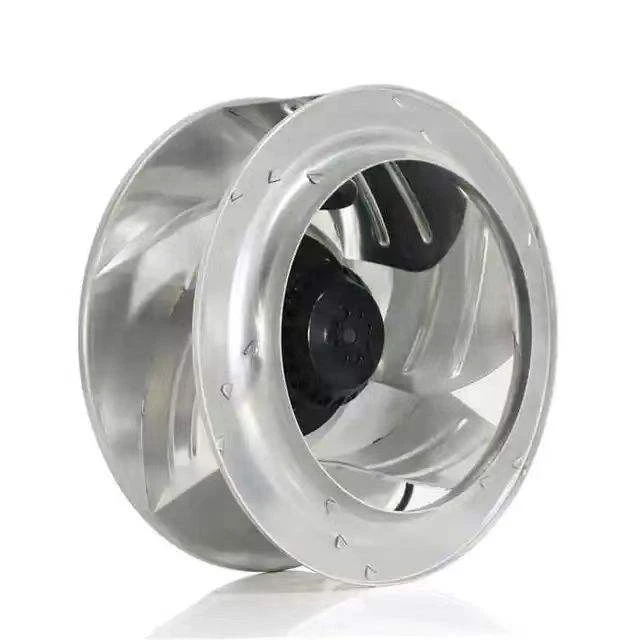
Backward curved
Geometry plus system duty
Connect the wheel geometry to speed, duty, environment, housing and interfaces.
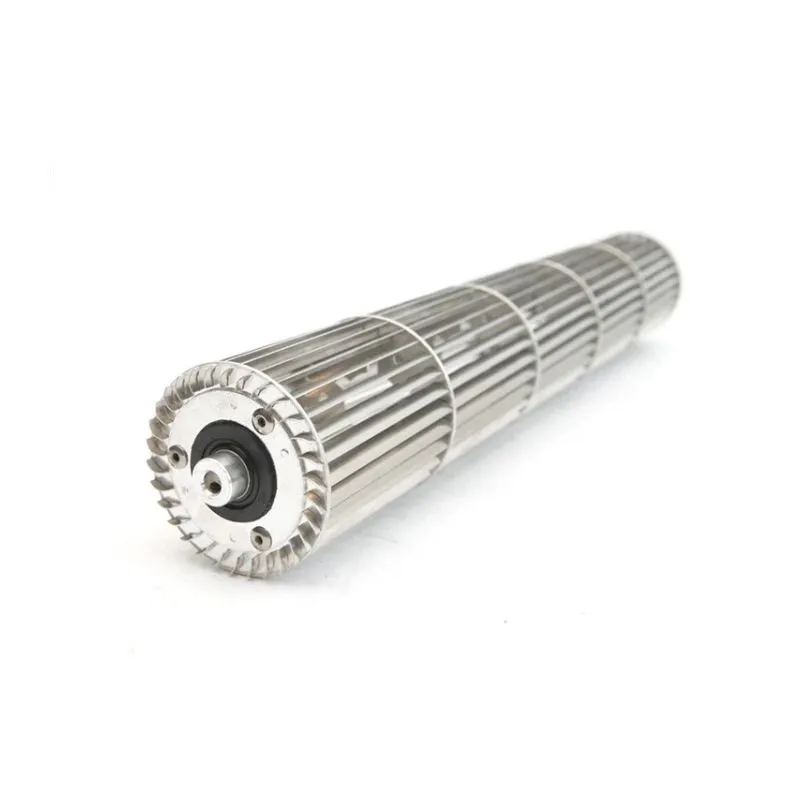
Cross-flow
Length, shaft ends and air channel
Document diameter, active length, segment layout, both shaft ends and the housing.

Oven fan impeller
Environment and center interface
Bring temperature context, mounting, offset, rotation, cleaning exposure and target documents.
Project risk control
Prevent avoidable custom blower wheel failures
The supplier should help convert incomplete project information into an approved manufacturing and inspection scope, not simply copy visible dimensions.
A drawing or sample can hide critical fit details
Rotation viewing side, hub, bore, shaft ends, offset, housing clearance and operating context are often missing.
TSLBlower reviewSeparate confirmed facts, visible evidence and open questions before sample approval.
A successful sample does not control repeat production
Sample geometry must connect to approved revisions, critical interfaces, production instructions and inspection records.
TSLBlower reviewDefine the approval source and project checks before moving from sample to bulk.
MOQ, schedule and documents affect the sourcing decision
Buyers need a realistic starting point for samples, bulk production, certification files and payment terms.
TSLBlower reviewStart from 1 pc, confirm sample fees by requirement, and define the project-specific schedule and documents.
RFQ input matrix
Information that turns an enquiry into an engineering quote
Provide what is known and mark the rest as unknown. A useful quote depends on the component and equipment context, not a product name alone.
| Input group | What to provide | Why it matters | If unknown |
|---|---|---|---|
| Wheel geometry | Type, diameter, width or active length, blade and side-plate arrangement | Defines the initial manufacturing route | Send overall and detail photos with a scale reference |
| Mechanical interface | Shaft or bore, hub, keyway, fastening, offset, support and mounting | Controls fit, orientation and assembly | Photograph both sides and the installed position |
| Rotation and housing | Rotation plus viewing side, inlet/outlet, housing, clearance and air path | Prevents mirrored or visually similar mismatches | Mark direction on a photo or equipment sketch |
| Operating context | Known speed, duty, motor, medium, temperature, moisture, cleaning or corrosion exposure | Frames material, structure and validation questions | Describe normal and peak equipment conditions |
| Quality and market | Critical tolerances, balance requirement, quantity, target market and required documents | Connects the quote to inspection and compliance scope | State the buyer standard or approval target |
Manufacturing value
Evidence that reduces sourcing and approval risk
Each capability should answer a buyer question: how the project starts, how the production route is prepared, how the part is checked and how repeat orders are staged.
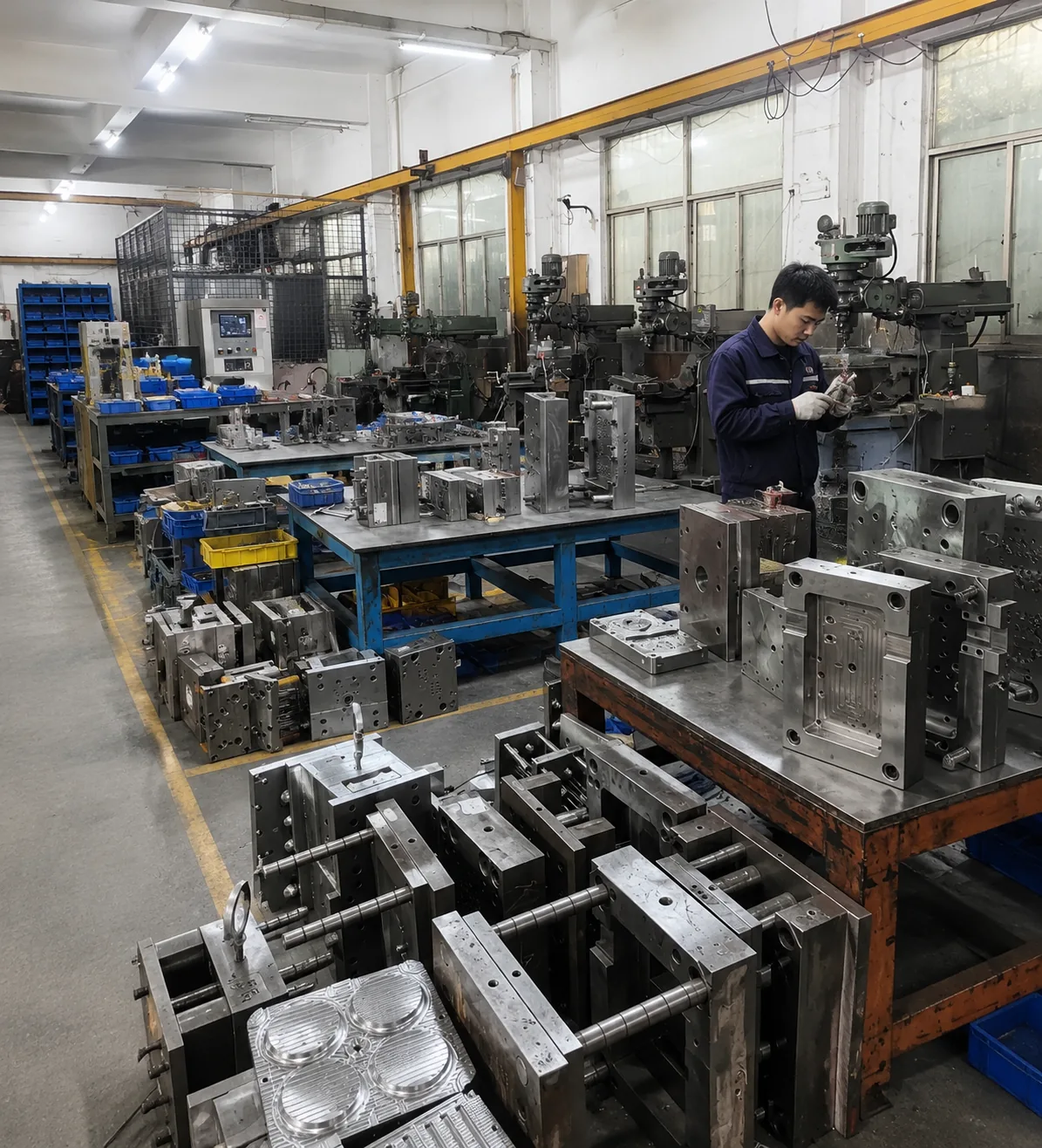
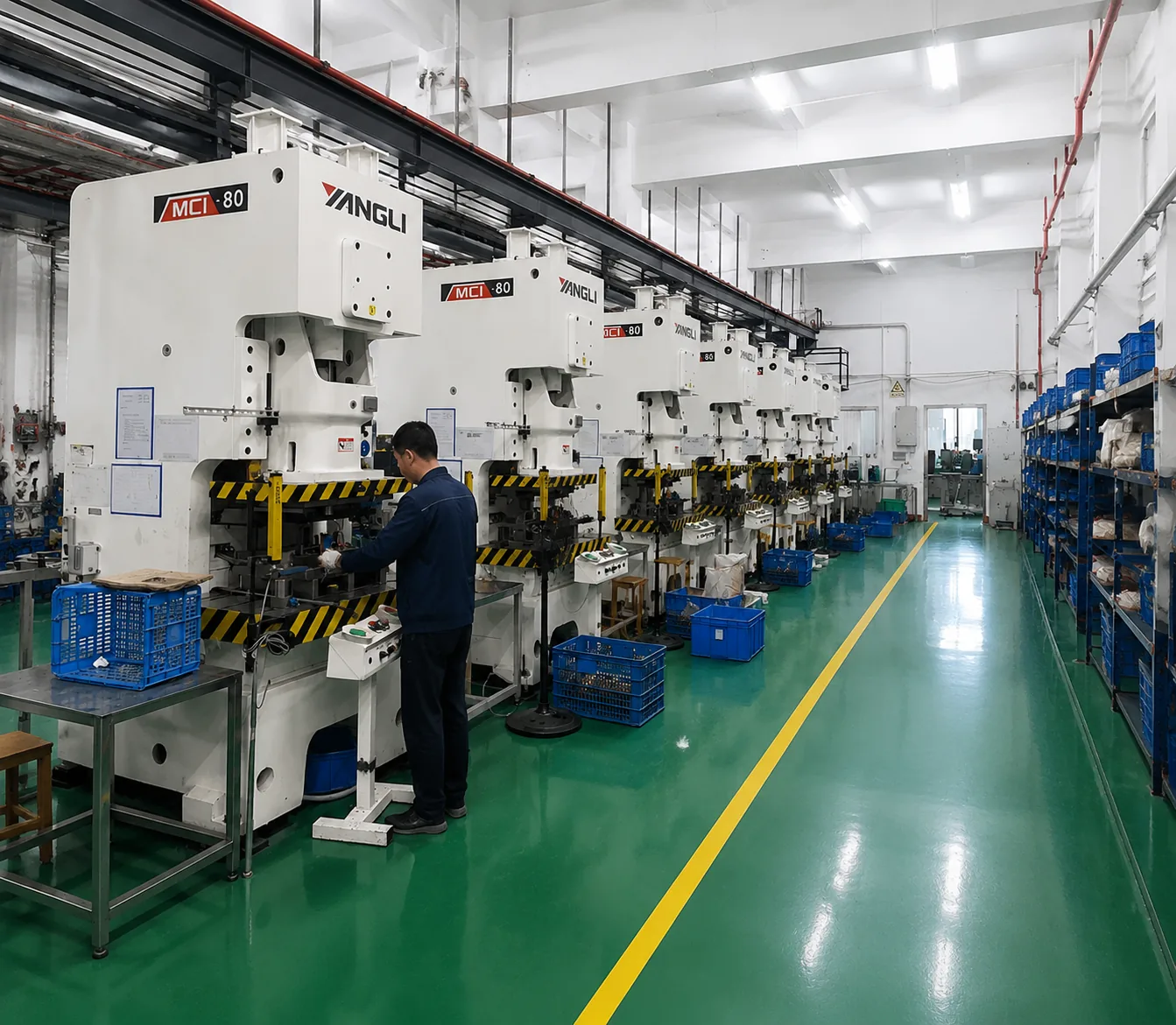
Drawing or sample entry
Prepare the tooling and development route
Review geometry, interfaces, quantity and approval evidence before confirming the sample plan and its requirement-based fee.
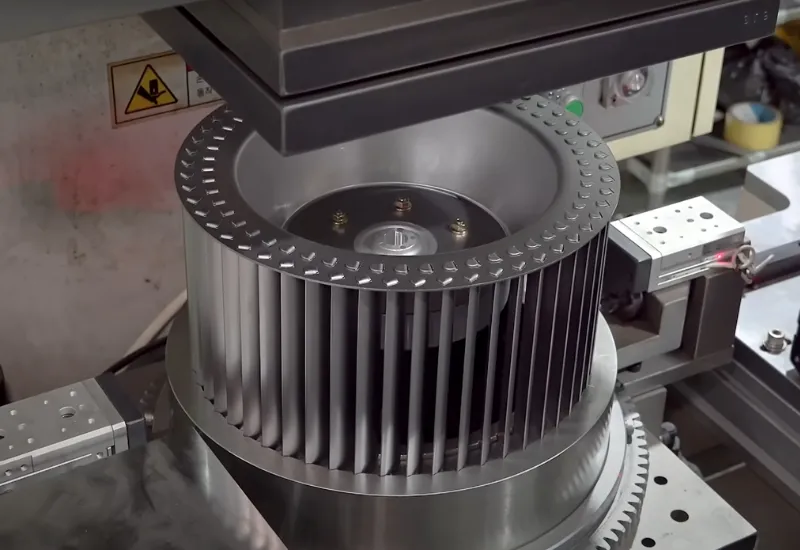
Production preparation
Connect approved inputs to manufacturing
The released drawing, sample approval or project specification should control the actual production route and change decisions.
Project-matched inspection
Define checks before production release
Critical dimensions, interfaces, rotation, balance and requested records are confirmed against the quoted project requirements.
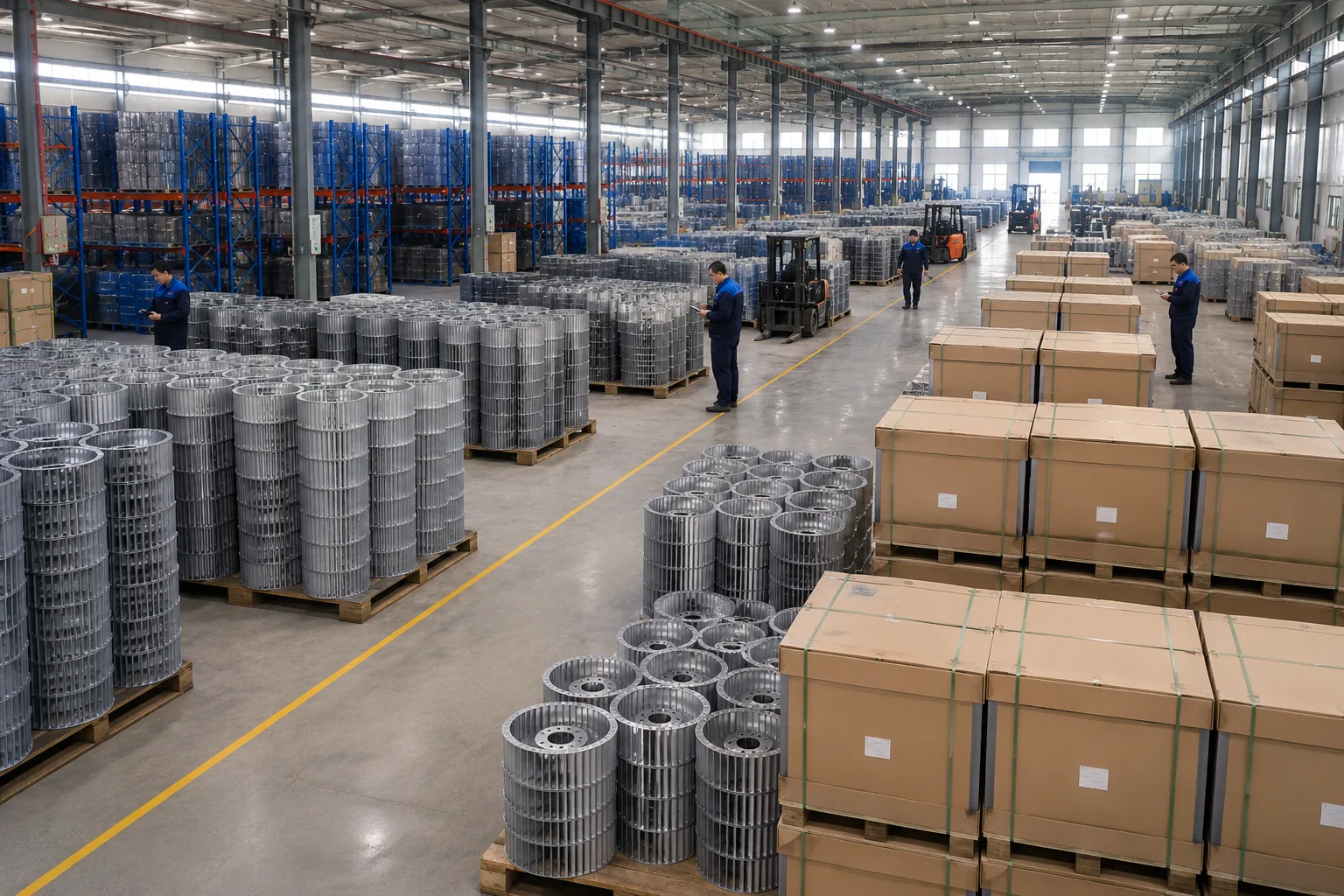
Bulk and shipment control
Stage repeat production and final handoff
Sample approval leads into the confirmed bulk cycle, final identification, packaging and required project documentation.
Project workflow
A five-step path from requirement to shipment
Timing begins after the inputs and approvals required for each step are available. Tooling, validation and document scope can affect the quoted schedule.
- 01
Requirement review
Confirm drawing or sample, application, interfaces, rotation, environment, quantity and market.
- 02
Engineering and quote
Identify missing inputs, manufacturing boundary, sample fee, commercial terms and approval plan.
- 03
Sample in 10–15 days
Produce the sample and complete the agreed checks after the project inputs are released.
- 04
Bulk in 25–30 days
Move into repeat production after sample approval and bulk requirements are confirmed.
- 05
Final check and shipment
Verify identification, interface, rotation, packaging and documents before balance payment and dispatch.
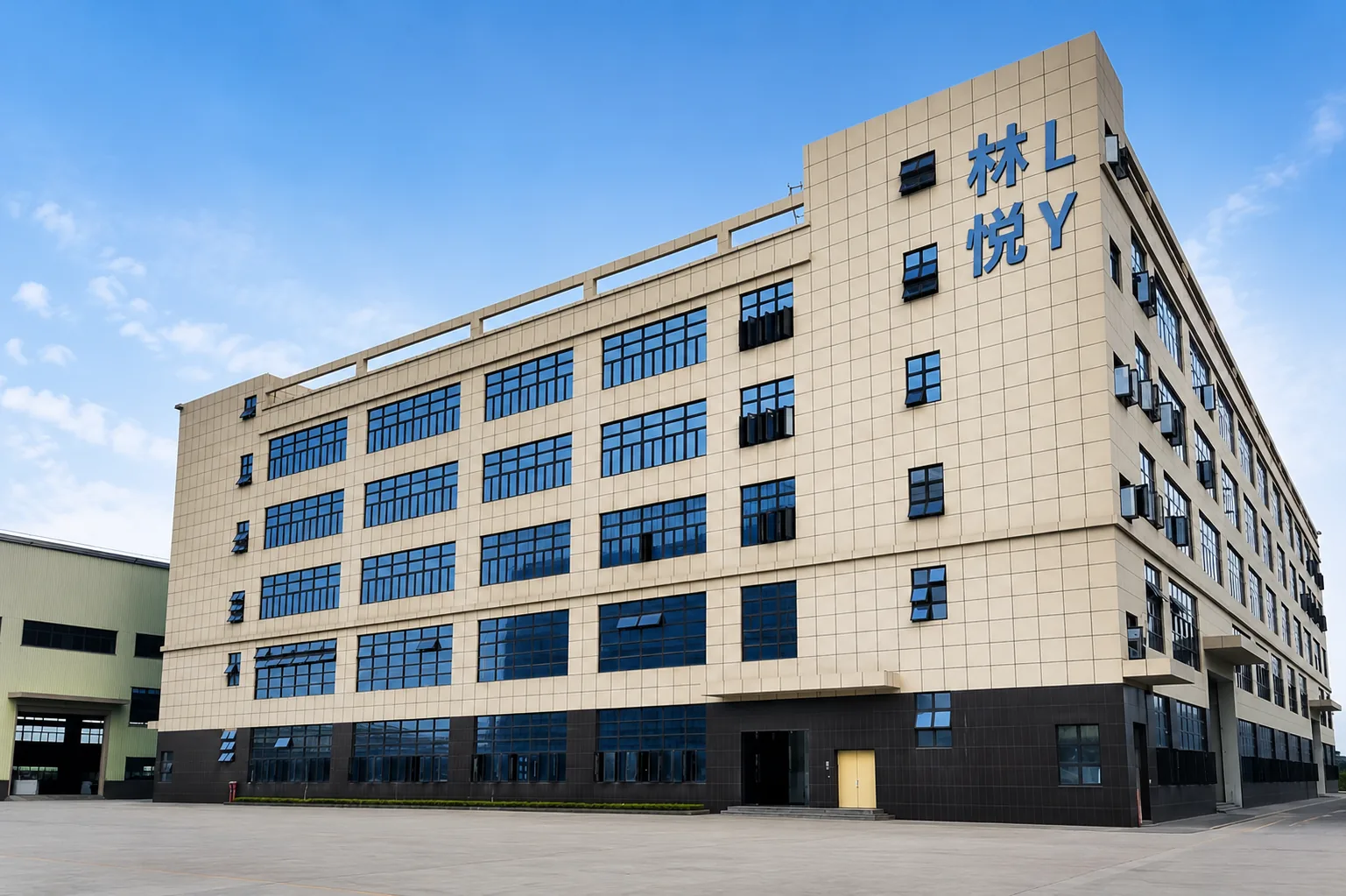
Factory and documentation
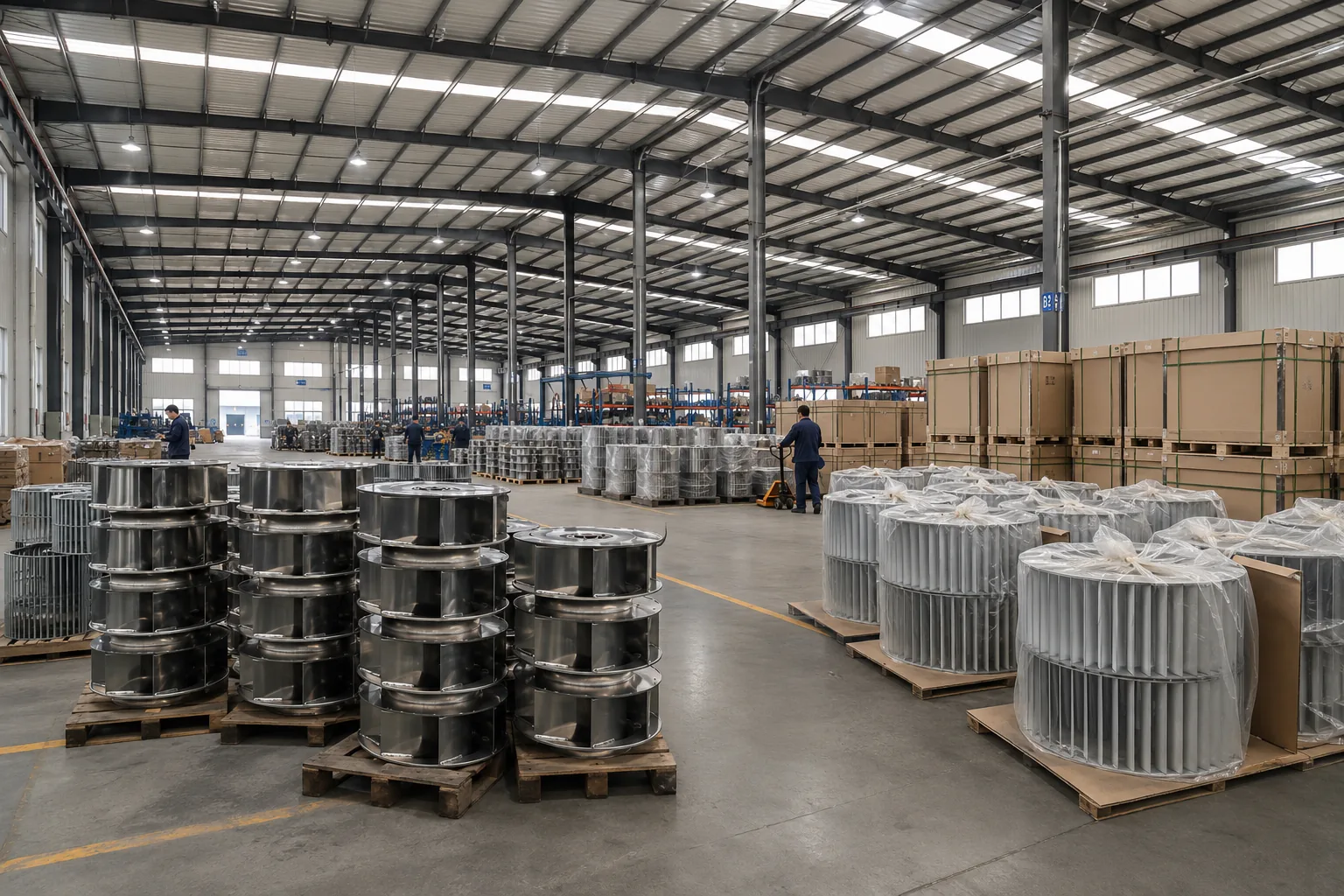
Review real manufacturing context before supplier approval
TSLBlower provides actual factory and production evidence. Certification scope, document version and product applicability are confirmed for the quoted project.
Target-market documents
Confirm certification files during quotation
CCC, CE, RoHS and UL documentation is available for TSLBlower products. The exact certificate, entity, product scope and buyer document requirement are checked for the actual order.
- CCC
- CE
- RoHS
- UL
Confidential drawings and project information can be handled under an NDA. Payment is T/T: 30% deposit and the balance before shipment.
Frequently asked questions
Before you request a quote
These answers cover the commercial and engineering starting points most OEM buyers need.
Can you manufacture from a drawing or existing sample?
Yes. A drawing, sample or clear photos can start the review. Final feasibility is confirmed after geometry, interfaces, condition, equipment context and project requirements are evaluated.
What is the minimum order quantity?
The MOQ is 1 piece, making it possible to begin with a custom sample before repeat production. A sample fee applies and is quoted according to the product and project requirements.
What are the sample and bulk production lead times?
Samples normally take 10–15 days and bulk production 25–30 days after the required inputs and approvals are confirmed. Tooling, complex validation or special documentation can affect the quoted project schedule.
Which certifications and documents are available?
CCC, CE, RoHS and UL documentation is available for TSLBlower products. The exact certificate scope, product applicability and target-market documents are confirmed for the quoted order.
What are the payment and confidentiality terms?
Payment is by T/T: 30% deposit and the balance before shipment. TSLBlower can sign an NDA when confidential drawings, samples or project information require contractual protection.
Start before sourcing decisions are locked
Have a drawing, sample or project deadline?
Send the information already available. TSLBlower will identify the next engineering and quotation questions for your custom blower wheel project.
Request an Engineering QuoteOne form · Optional drawing upload · NDA available
Custom blower wheel quote
Tell us what you need
Known dimensions, a drawing or sample photos are enough to start. Unknown fields can remain open.